


How can a low-voltage withdrawable switchgear cabinet achieve rapid protection and fault isolation during short-circuit or overload faults?
Release Time : 2026-04-15
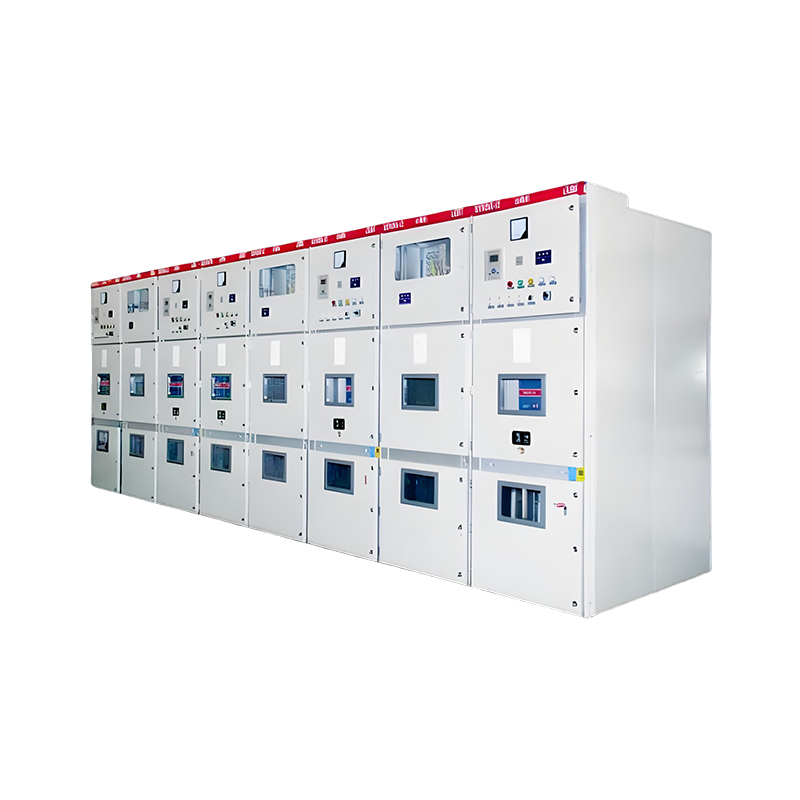
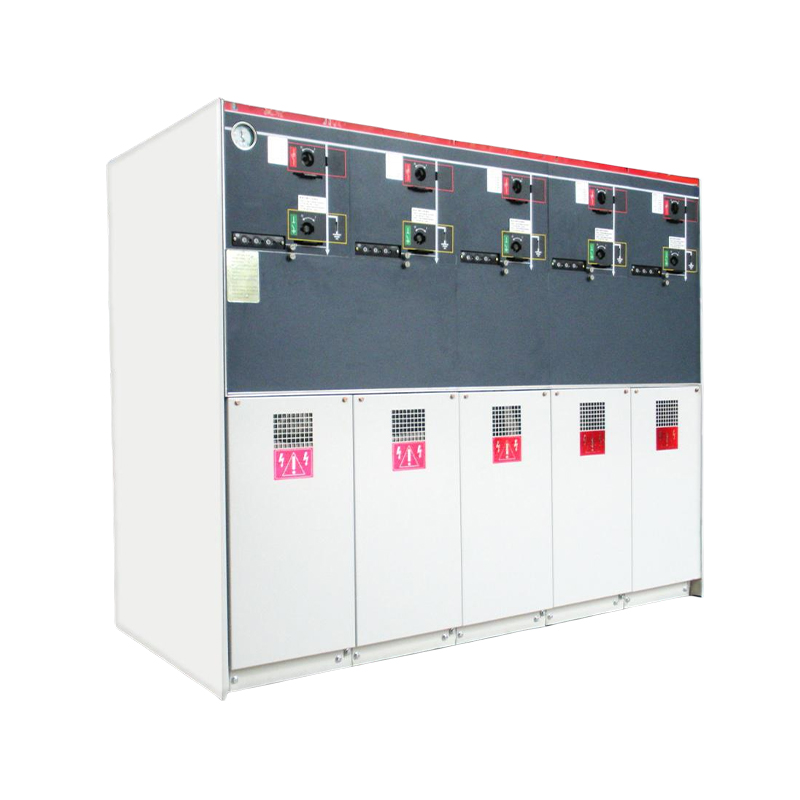
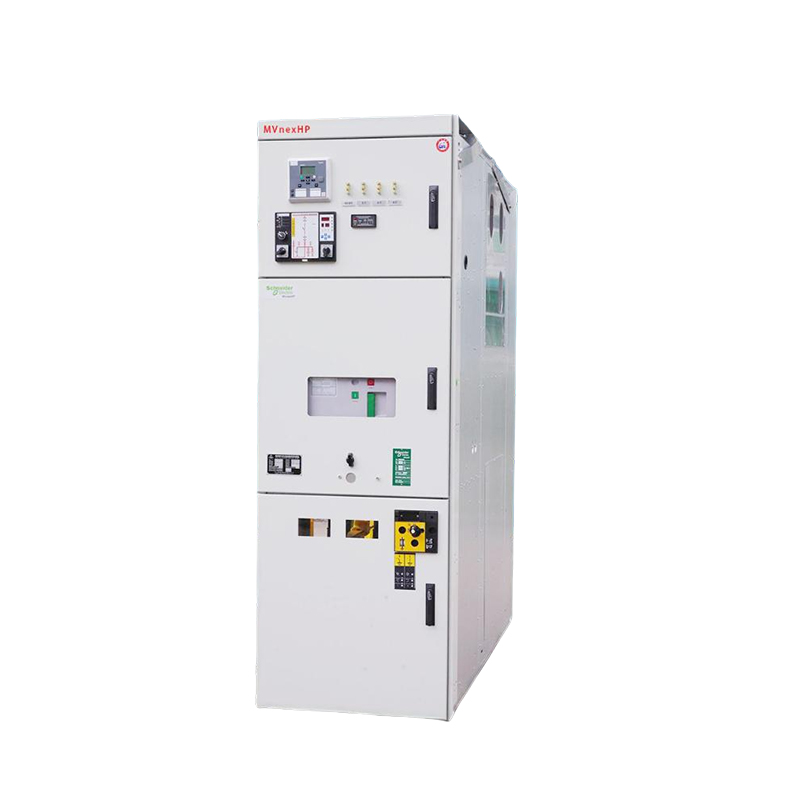
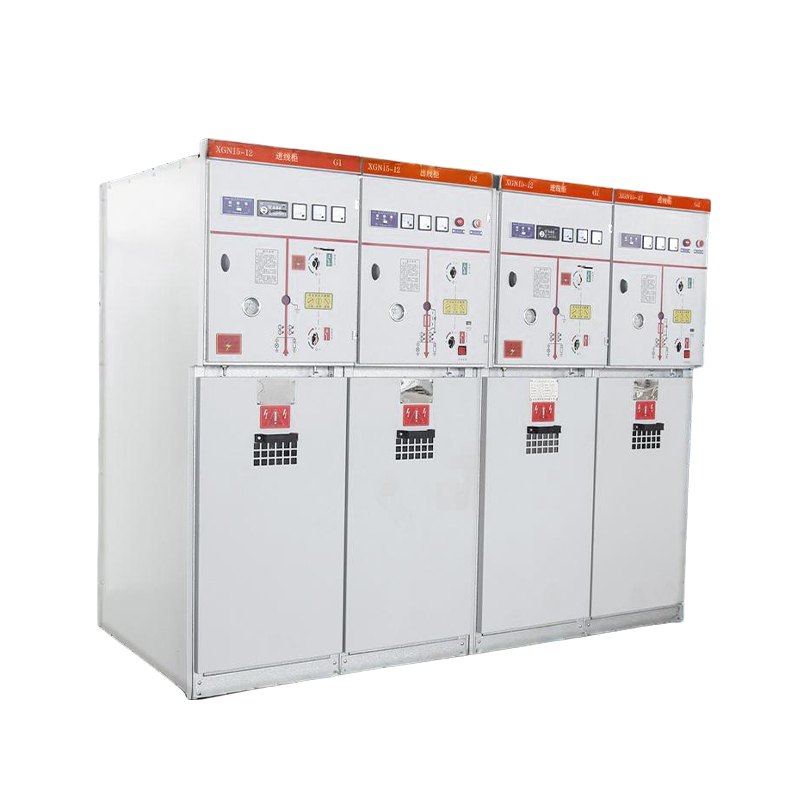
In power distribution systems, the low-voltage withdrawable switchgear cabinet, as a critical control and protection device, directly affects the stability of the entire system. When a short-circuit or overload fault occurs, failure to promptly disconnect the faulty circuit can lead to equipment damage or even system failure. The low-voltage withdrawable switchgear cabinet must possess rapid protection and effective isolation capabilities to ensure that the fault is controlled promptly and limited to a minimum.
1. Configuring High-Performance Protection Components for Rapid Response
Low-voltage withdrawable switchgear cabinets are typically equipped with critical components such as circuit breakers, fuses, and electronic protection devices. These devices can monitor current changes in real time and quickly disconnect the power supply when a short circuit or overload occurs. Modern intelligent circuit breakers, in particular, have millisecond-level response capabilities, enabling disconnection in the early stages of a fault, effectively preventing the fault from escalating.
2. Employing a Hierarchical Protection Strategy to Enhance System Selectivity
In complex power distribution systems, single protection methods are often insufficient to meet the requirements. By setting up a tiered protection mechanism, different levels of switchgear can operate in a predetermined sequence, enabling selective fault isolation. This means only the faulty circuit is disconnected without affecting other normally operating lines, thus ensuring the overall continuous power supply capability of the system.
3. Rapid Isolation Using a Withdrawable Structure
The core advantage of a low-voltage withdrawable switchgear cabinet lies in its modular design. After a fault occurs, the relevant functional units can be quickly withdrawn mechanically, achieving physical isolation. This method not only improves maintenance efficiency but also allows for rapid system restoration while ensuring safety, reducing power outage time.
4. Enhanced Interlocking Mechanisms to Prevent Misoperation
In short-circuit or overload conditions, misoperation can pose greater risks. By setting up mechanical and electrical interlocking devices, it can be ensured that functional units cannot be arbitrarily withdrawn or inserted while energized, and operation under load is avoided. These safety measures effectively protect the safety of operators and equipment, ensuring a standardized and reliable fault handling process.
5. Enhanced Busbar and Structural Design to Improve Durability
At the moment of a fault, the system will experience a large current surge. By optimizing the busbar structure and selecting high-strength conductive materials, its short-term withstand capability can be improved, preventing deformation or damage caused by electrodynamic or thermal effects. Simultaneously, reasonable heat dissipation and insulation design helps reduce the impact of faults on the equipment.
6. Intelligent Monitoring for Early Warning and Rapid Response
Modern low-voltage withdrawable switchgear cabinets are increasingly incorporating intelligent monitoring systems. Through real-time acquisition of parameters such as current, voltage, and temperature, abnormal trends can be identified and early warnings issued. When a fault occurs, the system can also record relevant data, providing a basis for subsequent analysis and maintenance, thus improving overall management.
In summary, the rapid protection and isolation capabilities of low-voltage withdrawable switchgear cabinets in short-circuit or overload faults rely on high-performance protection components, reasonable hierarchical strategies, and reliable structural design. Through the synergistic effect of mechanical and electrical systems, not only can faults be quickly isolated, but the scope of impact can also be effectively controlled, ensuring the safe and stable operation of the power distribution system.
1. Configuring High-Performance Protection Components for Rapid Response
Low-voltage withdrawable switchgear cabinets are typically equipped with critical components such as circuit breakers, fuses, and electronic protection devices. These devices can monitor current changes in real time and quickly disconnect the power supply when a short circuit or overload occurs. Modern intelligent circuit breakers, in particular, have millisecond-level response capabilities, enabling disconnection in the early stages of a fault, effectively preventing the fault from escalating.
2. Employing a Hierarchical Protection Strategy to Enhance System Selectivity
In complex power distribution systems, single protection methods are often insufficient to meet the requirements. By setting up a tiered protection mechanism, different levels of switchgear can operate in a predetermined sequence, enabling selective fault isolation. This means only the faulty circuit is disconnected without affecting other normally operating lines, thus ensuring the overall continuous power supply capability of the system.
3. Rapid Isolation Using a Withdrawable Structure
The core advantage of a low-voltage withdrawable switchgear cabinet lies in its modular design. After a fault occurs, the relevant functional units can be quickly withdrawn mechanically, achieving physical isolation. This method not only improves maintenance efficiency but also allows for rapid system restoration while ensuring safety, reducing power outage time.
4. Enhanced Interlocking Mechanisms to Prevent Misoperation
In short-circuit or overload conditions, misoperation can pose greater risks. By setting up mechanical and electrical interlocking devices, it can be ensured that functional units cannot be arbitrarily withdrawn or inserted while energized, and operation under load is avoided. These safety measures effectively protect the safety of operators and equipment, ensuring a standardized and reliable fault handling process.
5. Enhanced Busbar and Structural Design to Improve Durability
At the moment of a fault, the system will experience a large current surge. By optimizing the busbar structure and selecting high-strength conductive materials, its short-term withstand capability can be improved, preventing deformation or damage caused by electrodynamic or thermal effects. Simultaneously, reasonable heat dissipation and insulation design helps reduce the impact of faults on the equipment.
6. Intelligent Monitoring for Early Warning and Rapid Response
Modern low-voltage withdrawable switchgear cabinets are increasingly incorporating intelligent monitoring systems. Through real-time acquisition of parameters such as current, voltage, and temperature, abnormal trends can be identified and early warnings issued. When a fault occurs, the system can also record relevant data, providing a basis for subsequent analysis and maintenance, thus improving overall management.
In summary, the rapid protection and isolation capabilities of low-voltage withdrawable switchgear cabinets in short-circuit or overload faults rely on high-performance protection components, reasonable hierarchical strategies, and reliable structural design. Through the synergistic effect of mechanical and electrical systems, not only can faults be quickly isolated, but the scope of impact can also be effectively controlled, ensuring the safe and stable operation of the power distribution system.