


How does a photovoltaic box-type substation achieve efficient voltage boosting and grid connection for photovoltaic power generation?
Release Time : 2026-04-02
In the era of booming clean energy development, photovoltaic power generation, as a crucial force in energy transformation, is integrating into the power grid system at an unprecedented pace. The photovoltaic box-type substation, as a key hub connecting photovoltaic arrays and the power grid, integrates high-voltage switchgear, transformers, and low-voltage electrical components into a compact and efficient outdoor modular substation. This completely breaks through the limitations of traditional substations, such as large footprint and long construction periods, providing a reliable guarantee for efficient voltage boosting and grid connection of photovoltaic power generation, becoming an indispensable power hub in the new energy field.
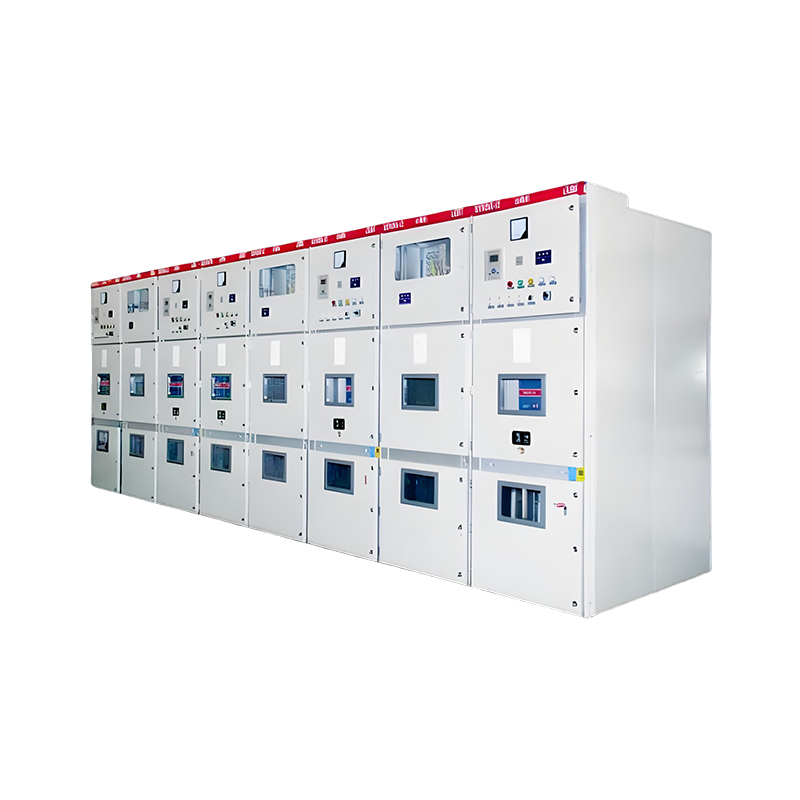
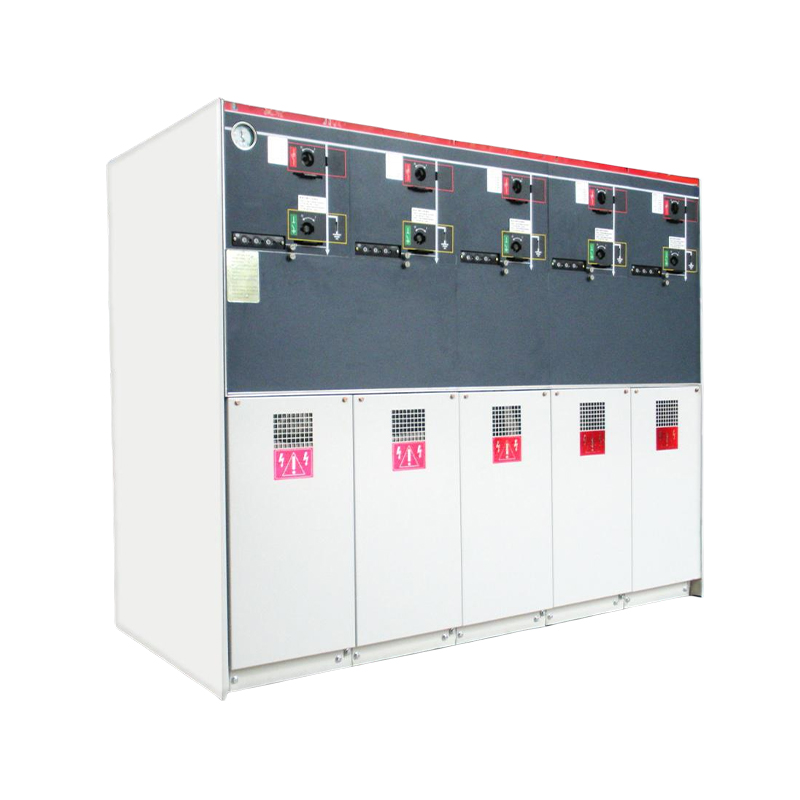
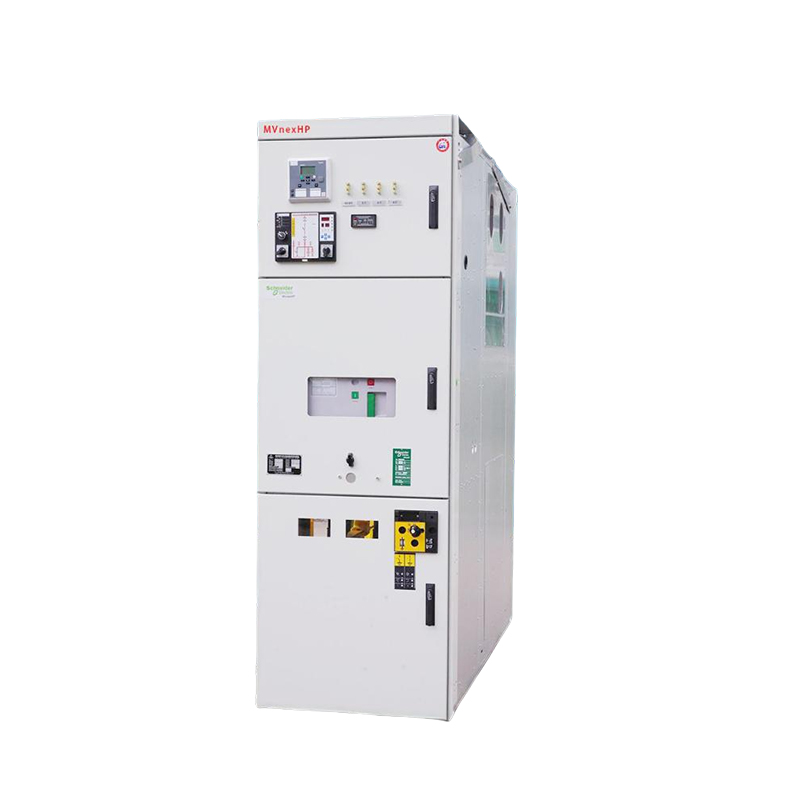
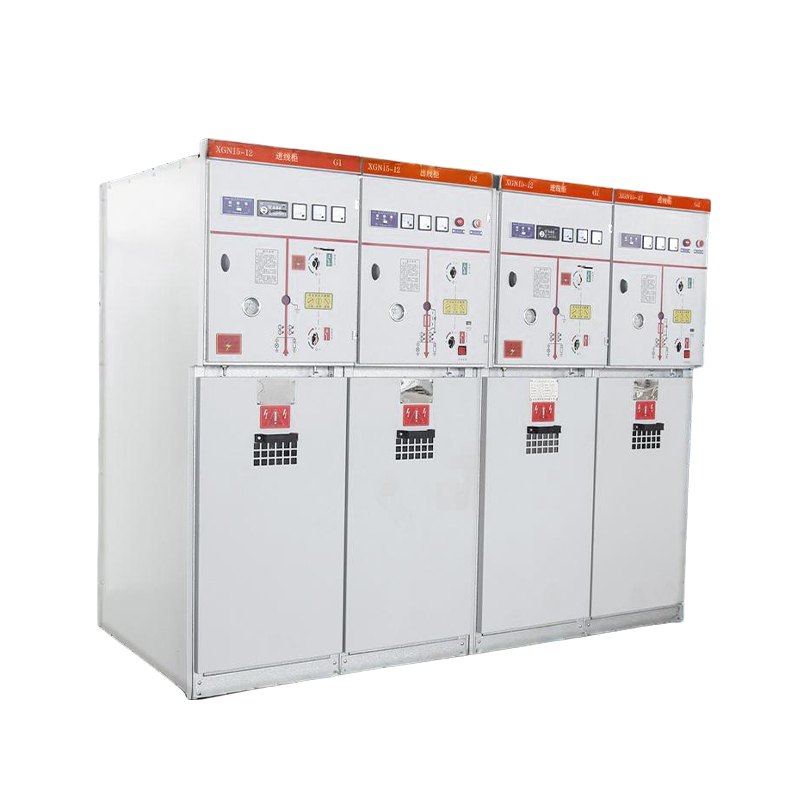
Integrated design is the core advantage of the photovoltaic box-type substation, integrating dispersed power equipment into an organic whole. Traditional substations require separate high-voltage, transformer, and low-voltage rooms, which not only occupy a large area but also require complex civil engineering and on-site wiring. The photovoltaic box-type substation, through its ingenious internal layout, compactly integrates high-voltage switchgear, the transformer body, and low-voltage electrical components into a fully enclosed enclosure, forming a "three-compartment integrated" structure. This design significantly reduces the equipment's footprint, allowing it to be directly placed near photovoltaic arrays without additional land acquisition. It is particularly suitable for projects with limited land resources, such as agricultural-solar hybrid and fishery-solar hybrid projects. Simultaneously, it avoids the cumbersome wiring and losses associated with scattered on-site installations, transforming substation construction from "on-site construction" to "factory prefabrication and overall hoisting," greatly shortening the substation construction cycle.
High-efficiency voltage boosting and grid connection capabilities are the core functional value of the photovoltaic box-type substation. The low-voltage AC power generated by photovoltaic modules cannot be directly connected to the high-voltage grid for long-distance transmission. The transformer built into the photovoltaic box-type substation undertakes the crucial voltage boosting task, stably raising the low-voltage power to the 10kV or 12kV grid-connected voltage level, meeting the low-loss requirements for long-distance grid transmission. Meanwhile, the high-voltage switchgear is responsible for power on/off control and short-circuit protection, while low-voltage electrical components collect and distribute power. These three components work together to ensure stable and safe grid connection of photovoltaic power. The substation is also equipped with synchronous detection and protection devices that monitor grid voltage and frequency in real time, automatically adjusting the output phase to avoid grid connection failures caused by voltage fluctuations or frequency deviations, ensuring high-quality photovoltaic power transmission.
The compact structure offers space and cost advantages, making photovoltaic power station construction more economical. The photovoltaic box-type substation uses a standardized design, maximizing internal space utilization and saving significant land resources compared to traditional open substations. Its fully enclosed structure provides excellent protection against harsh outdoor environments such as wind, rain, sand, and salt spray, eliminating the need for additional protective structures and further reducing construction costs. Simultaneously, the factory prefabrication model reduces on-site installation and commissioning workload, lowering labor and time costs, allowing photovoltaic power stations to achieve grid connection and power generation faster, shortening the investment payback period, and providing strong support for cost reduction and efficiency improvement in new energy projects.
Environmental adaptability and safety reliability provide a solid foundation for long-term outdoor operation. The photovoltaic box-type substation's enclosure is constructed of high-strength steel with an anti-corrosion coating, possessing excellent weather resistance and corrosion resistance, enabling stable operation in extreme environments such as high temperature, high humidity, and extreme cold. Internal transformers primarily employ a low-loss dry-type design, which is not only energy-efficient but also avoids the oil leakage risk of oil-immersed transformers, resulting in lower operating noise, making it suitable for photovoltaic projects installed near residential areas. The substation is also equipped with a comprehensive protection system, including overcurrent, overvoltage, and zero-sequence protection, which can monitor equipment operating status in real time and quickly cut off power in the event of a fault, preventing equipment damage and escalation of accidents, and ensuring the long-term stable operation of the substation.
The convenient features of intelligent operation and maintenance reduce the post-management costs of photovoltaic power stations. Modern photovoltaic box-type substations integrate intelligent monitoring modules that can collect key parameters such as voltage, current, and temperature in real time and upload the data to a monitoring platform via a communication interface. Maintenance personnel can monitor equipment operating status remotely via a terminal without frequent on-site inspections, promptly detect potential faults and issue warnings, significantly reducing maintenance workload. This intelligent operation and maintenance model makes photovoltaic power plant management more efficient and convenient, ensuring that power generation efficiency is not affected by equipment failures and providing a reliable guarantee for the stable supply of new energy.
From space optimization through integrated design to the realization of efficient voltage boosting and grid connection, from environmental adaptability and safety assurance to cost control through intelligent operation and maintenance, the photovoltaic box-type substation, with its innovative design and superior performance, has solved many challenges in photovoltaic power generation grid connection. It enables photovoltaic power to be efficiently and stably integrated into the grid, becoming a key support for the large-scale application of new energy, driving the clean energy industry towards greater efficiency and reliability, and injecting strong momentum into the global energy transition.
Integrated design is the core advantage of the photovoltaic box-type substation, integrating dispersed power equipment into an organic whole. Traditional substations require separate high-voltage, transformer, and low-voltage rooms, which not only occupy a large area but also require complex civil engineering and on-site wiring. The photovoltaic box-type substation, through its ingenious internal layout, compactly integrates high-voltage switchgear, the transformer body, and low-voltage electrical components into a fully enclosed enclosure, forming a "three-compartment integrated" structure. This design significantly reduces the equipment's footprint, allowing it to be directly placed near photovoltaic arrays without additional land acquisition. It is particularly suitable for projects with limited land resources, such as agricultural-solar hybrid and fishery-solar hybrid projects. Simultaneously, it avoids the cumbersome wiring and losses associated with scattered on-site installations, transforming substation construction from "on-site construction" to "factory prefabrication and overall hoisting," greatly shortening the substation construction cycle.
High-efficiency voltage boosting and grid connection capabilities are the core functional value of the photovoltaic box-type substation. The low-voltage AC power generated by photovoltaic modules cannot be directly connected to the high-voltage grid for long-distance transmission. The transformer built into the photovoltaic box-type substation undertakes the crucial voltage boosting task, stably raising the low-voltage power to the 10kV or 12kV grid-connected voltage level, meeting the low-loss requirements for long-distance grid transmission. Meanwhile, the high-voltage switchgear is responsible for power on/off control and short-circuit protection, while low-voltage electrical components collect and distribute power. These three components work together to ensure stable and safe grid connection of photovoltaic power. The substation is also equipped with synchronous detection and protection devices that monitor grid voltage and frequency in real time, automatically adjusting the output phase to avoid grid connection failures caused by voltage fluctuations or frequency deviations, ensuring high-quality photovoltaic power transmission.
The compact structure offers space and cost advantages, making photovoltaic power station construction more economical. The photovoltaic box-type substation uses a standardized design, maximizing internal space utilization and saving significant land resources compared to traditional open substations. Its fully enclosed structure provides excellent protection against harsh outdoor environments such as wind, rain, sand, and salt spray, eliminating the need for additional protective structures and further reducing construction costs. Simultaneously, the factory prefabrication model reduces on-site installation and commissioning workload, lowering labor and time costs, allowing photovoltaic power stations to achieve grid connection and power generation faster, shortening the investment payback period, and providing strong support for cost reduction and efficiency improvement in new energy projects.
Environmental adaptability and safety reliability provide a solid foundation for long-term outdoor operation. The photovoltaic box-type substation's enclosure is constructed of high-strength steel with an anti-corrosion coating, possessing excellent weather resistance and corrosion resistance, enabling stable operation in extreme environments such as high temperature, high humidity, and extreme cold. Internal transformers primarily employ a low-loss dry-type design, which is not only energy-efficient but also avoids the oil leakage risk of oil-immersed transformers, resulting in lower operating noise, making it suitable for photovoltaic projects installed near residential areas. The substation is also equipped with a comprehensive protection system, including overcurrent, overvoltage, and zero-sequence protection, which can monitor equipment operating status in real time and quickly cut off power in the event of a fault, preventing equipment damage and escalation of accidents, and ensuring the long-term stable operation of the substation.
The convenient features of intelligent operation and maintenance reduce the post-management costs of photovoltaic power stations. Modern photovoltaic box-type substations integrate intelligent monitoring modules that can collect key parameters such as voltage, current, and temperature in real time and upload the data to a monitoring platform via a communication interface. Maintenance personnel can monitor equipment operating status remotely via a terminal without frequent on-site inspections, promptly detect potential faults and issue warnings, significantly reducing maintenance workload. This intelligent operation and maintenance model makes photovoltaic power plant management more efficient and convenient, ensuring that power generation efficiency is not affected by equipment failures and providing a reliable guarantee for the stable supply of new energy.
From space optimization through integrated design to the realization of efficient voltage boosting and grid connection, from environmental adaptability and safety assurance to cost control through intelligent operation and maintenance, the photovoltaic box-type substation, with its innovative design and superior performance, has solved many challenges in photovoltaic power generation grid connection. It enables photovoltaic power to be efficiently and stably integrated into the grid, becoming a key support for the large-scale application of new energy, driving the clean energy industry towards greater efficiency and reliability, and injecting strong momentum into the global energy transition.