


How does the compact structure of the photovoltaic box-type substation help save land area in outdoor solar farms?
Release Time : 2026-05-12
In the rapidly expanding world of solar energy, maximizing power generation per square meter is a primary goal for engineers and investors alike. Every inch of land in a photovoltaic power plant represents a potential revenue stream, as it can either host more solar panels or reduce the overall cost of land acquisition and leasing. The photovoltaic box-type substation has emerged as a critical innovation in this landscape, fundamentally changing how electrical infrastructure is deployed in outdoor solar farms. Its ingenious compact structure plays a pivotal role in saving valuable land area, allowing solar farms to operate with greater efficiency and economic viability.
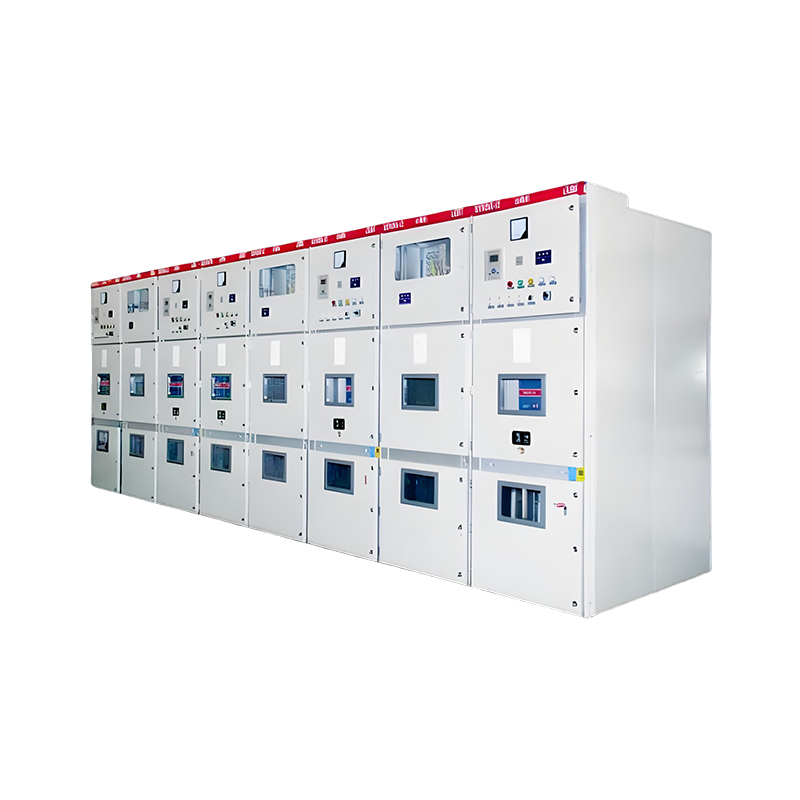
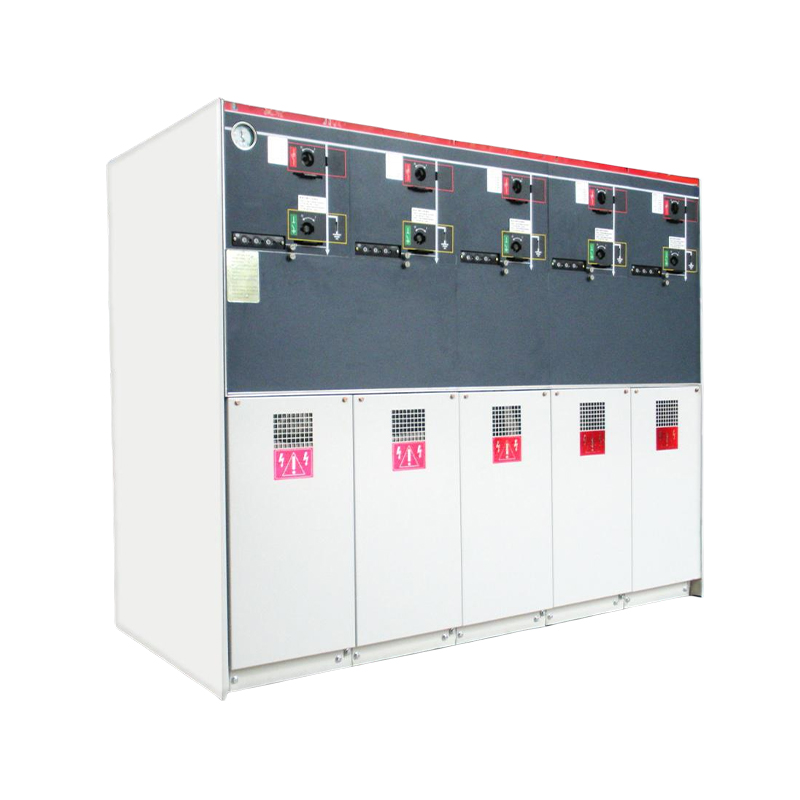
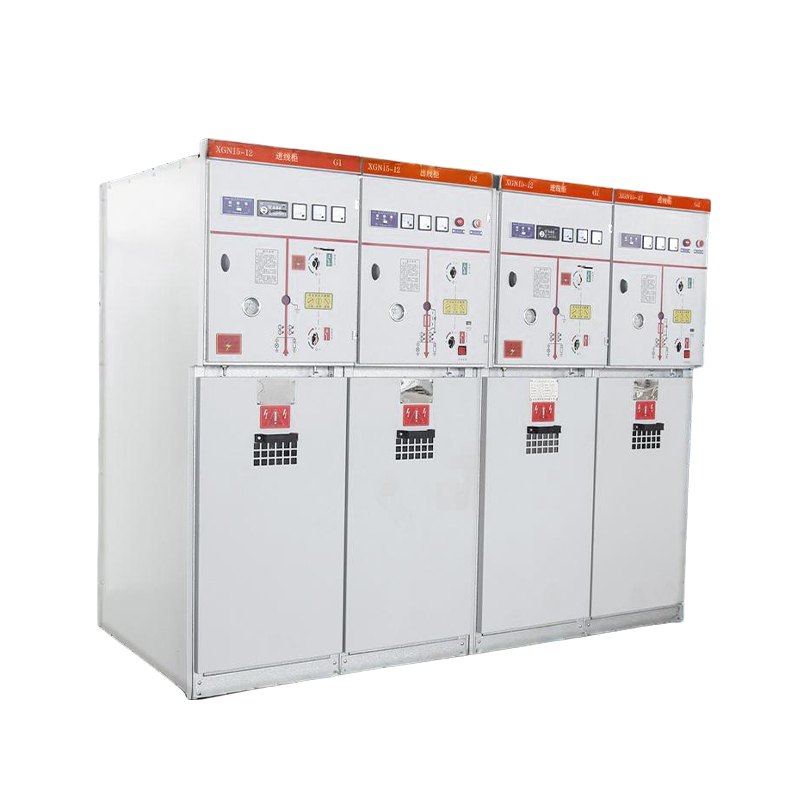
The core reason this substation saves land lies in its highly integrated design. Traditionally, a substation required the construction of multiple separate buildings or large open-air structures to house high-voltage switchgear, transformers, and low-voltage electrical components. This conventional approach demanded a significant physical footprint, extensive concrete foundations, and wide safety clearance zones between each piece of equipment. In stark contrast, the photovoltaic box-type substation organically combines all these essential elements into a single, prefabricated outdoor box. By vertically and horizontally stacking these components within a unified steel enclosure, the device drastically reduces its physical footprint. This compact design can save more than two-thirds of the land area compared to a traditional substation of the same capacity, freeing up vast amounts of space for additional photovoltaic arrays.
Beyond its integrated internal layout, the prefabricated nature of the box-type substation minimizes the need for surrounding infrastructure, further conserving land. Conventional indoor substations require lengthy construction cycles, complex civil engineering work, and substantial buffer zones for maintenance access and fire safety. The box-type substation arrives at the site as a complete set device, requiring only a simple, flat concrete foundation. Because it is a fully enclosed and sealed unit designed for outdoor use, it eliminates the need for separate control rooms or equipment sheds. This "plug-and-play" characteristic means that the land previously allocated for construction access roads, material storage, and auxiliary buildings can now be repurposed for energy generation.
The compact structure also offers unparalleled flexibility in site selection and placement. Solar farms are often built on diverse terrains, ranging from flat deserts to uneven mountain slopes or reclaimed industrial land. The small and self-contained footprint of the box-type substation allows it to be strategically placed in irregular or leftover spaces that would be unsuitable for a traditional substation. For instance, it can be installed in the narrow gaps between solar panel rows, on the periphery of a rocky hillside, or in the unused corners of a commercial rooftop. This adaptability ensures that no land within the solar farm goes to waste, maximizing the overall density and output of the photovoltaic system.
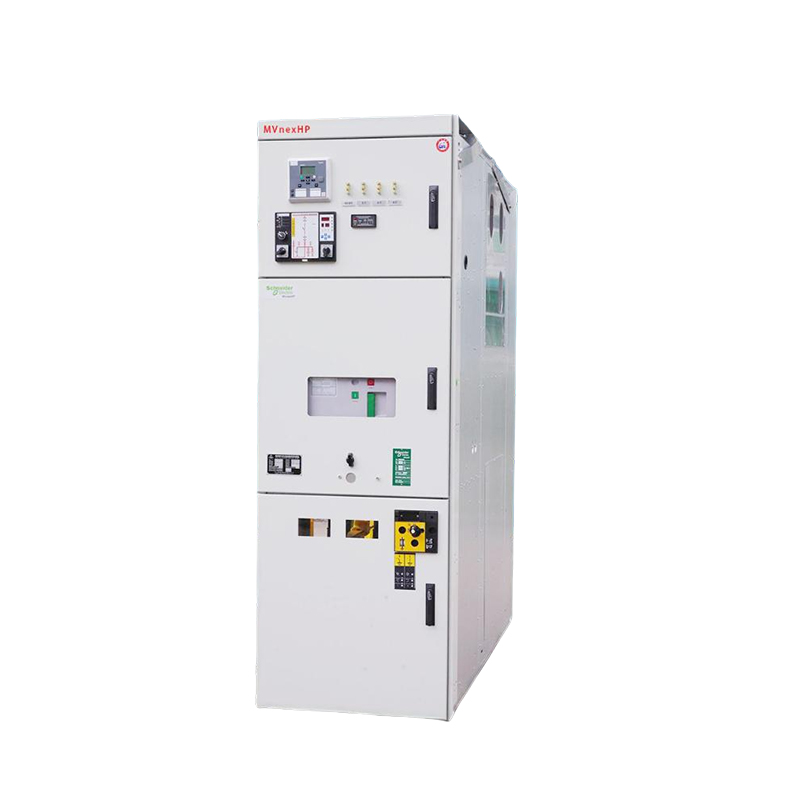
Furthermore, the space-saving benefits extend to the reduction of cable trenches and connection paths. In a traditional setup, the large distances between scattered equipment require extensive underground cabling and wide trenches to connect high-voltage and low-voltage systems. The box-type substation brings the 10kV high-voltage switchgear and the transformer into immediate proximity. This internal proximity significantly shortens the connection paths for heavy electrical cables, reducing the amount of land that needs to be excavated and disturbed. The streamlined internal wiring not only lowers material costs but also preserves the integrity of the surrounding terrain, which is particularly beneficial in environmentally sensitive areas.
Ultimately, the photovoltaic box-type substation represents a triumph of spatial efficiency in renewable energy infrastructure. By condensing complex electrical distribution systems into a compact, robust, and prefabricated unit, it removes the bulky physical barriers of traditional power management. This allows solar farm developers to dedicate the maximum possible acreage to what truly matters: capturing sunlight and converting it into clean, sustainable electricity.
The core reason this substation saves land lies in its highly integrated design. Traditionally, a substation required the construction of multiple separate buildings or large open-air structures to house high-voltage switchgear, transformers, and low-voltage electrical components. This conventional approach demanded a significant physical footprint, extensive concrete foundations, and wide safety clearance zones between each piece of equipment. In stark contrast, the photovoltaic box-type substation organically combines all these essential elements into a single, prefabricated outdoor box. By vertically and horizontally stacking these components within a unified steel enclosure, the device drastically reduces its physical footprint. This compact design can save more than two-thirds of the land area compared to a traditional substation of the same capacity, freeing up vast amounts of space for additional photovoltaic arrays.
Beyond its integrated internal layout, the prefabricated nature of the box-type substation minimizes the need for surrounding infrastructure, further conserving land. Conventional indoor substations require lengthy construction cycles, complex civil engineering work, and substantial buffer zones for maintenance access and fire safety. The box-type substation arrives at the site as a complete set device, requiring only a simple, flat concrete foundation. Because it is a fully enclosed and sealed unit designed for outdoor use, it eliminates the need for separate control rooms or equipment sheds. This "plug-and-play" characteristic means that the land previously allocated for construction access roads, material storage, and auxiliary buildings can now be repurposed for energy generation.
The compact structure also offers unparalleled flexibility in site selection and placement. Solar farms are often built on diverse terrains, ranging from flat deserts to uneven mountain slopes or reclaimed industrial land. The small and self-contained footprint of the box-type substation allows it to be strategically placed in irregular or leftover spaces that would be unsuitable for a traditional substation. For instance, it can be installed in the narrow gaps between solar panel rows, on the periphery of a rocky hillside, or in the unused corners of a commercial rooftop. This adaptability ensures that no land within the solar farm goes to waste, maximizing the overall density and output of the photovoltaic system.
Furthermore, the space-saving benefits extend to the reduction of cable trenches and connection paths. In a traditional setup, the large distances between scattered equipment require extensive underground cabling and wide trenches to connect high-voltage and low-voltage systems. The box-type substation brings the 10kV high-voltage switchgear and the transformer into immediate proximity. This internal proximity significantly shortens the connection paths for heavy electrical cables, reducing the amount of land that needs to be excavated and disturbed. The streamlined internal wiring not only lowers material costs but also preserves the integrity of the surrounding terrain, which is particularly beneficial in environmentally sensitive areas.
Ultimately, the photovoltaic box-type substation represents a triumph of spatial efficiency in renewable energy infrastructure. By condensing complex electrical distribution systems into a compact, robust, and prefabricated unit, it removes the bulky physical barriers of traditional power management. This allows solar farm developers to dedicate the maximum possible acreage to what truly matters: capturing sunlight and converting it into clean, sustainable electricity.