


How do photovoltaic box-type substations redefine the efficiency boundaries of renewable energy grid integration through high integration and compact design?
Release Time : 2026-07-22
Against the backdrop of the "Dual Carbon" strategy, distributed photovoltaics are rapidly integrating into modern energy systems. Serving as the "last-mile" hub connecting photovoltaic arrays to the grid, the photovoltaic box-type substation has become indispensable equipment for renewable energy generation, thanks to its superior system integration and space optimization capabilities. Designed specifically for 12kV grid-connected photovoltaic systems, this three-phase AC outdoor combined distribution unit is redefining construction standards and operational efficiency for photovoltaic power plants through its unique advantages of high integration and compact design.
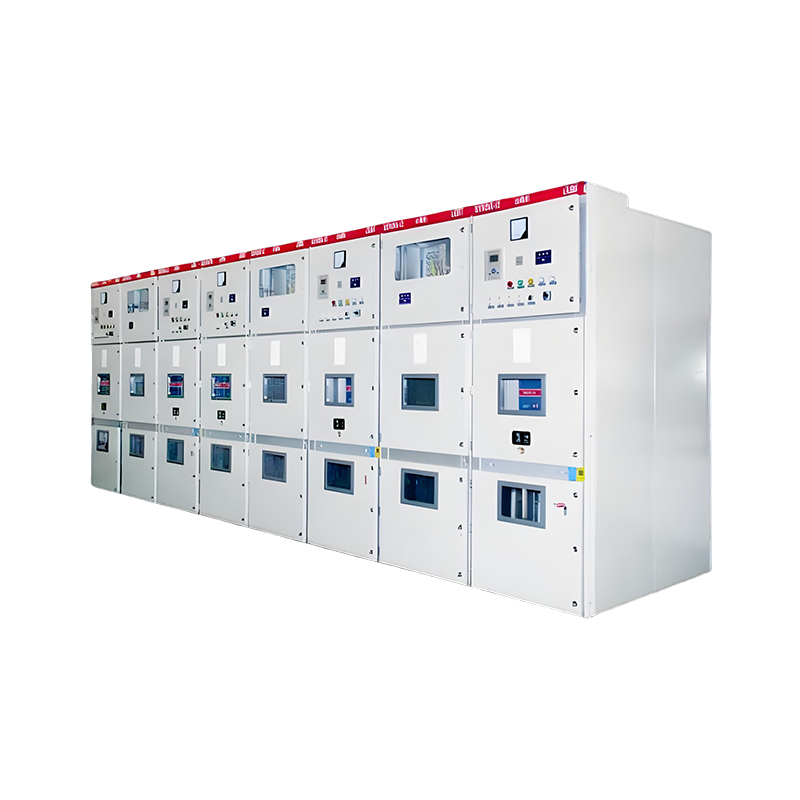
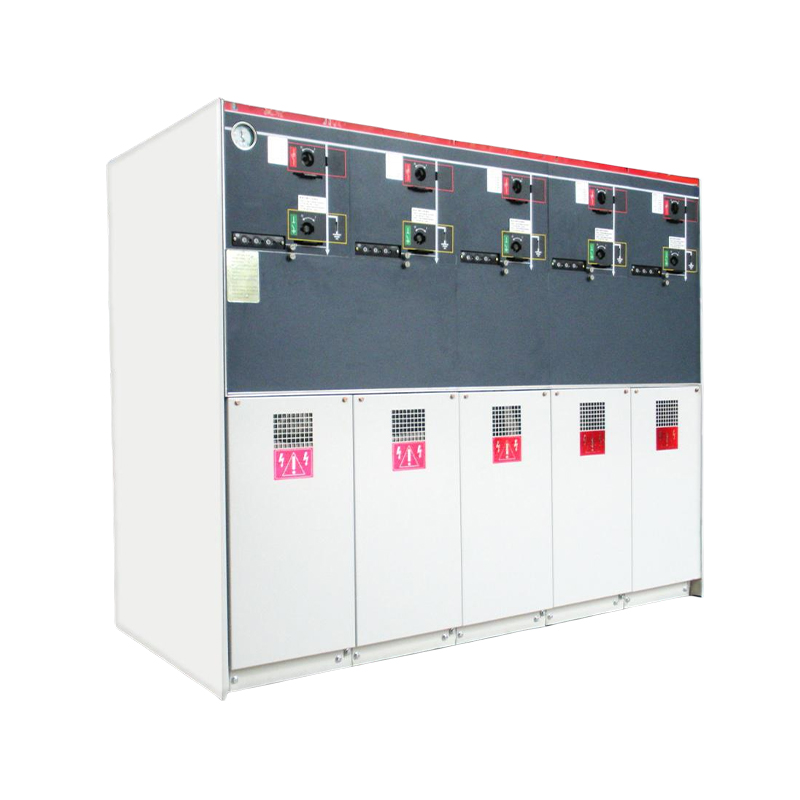
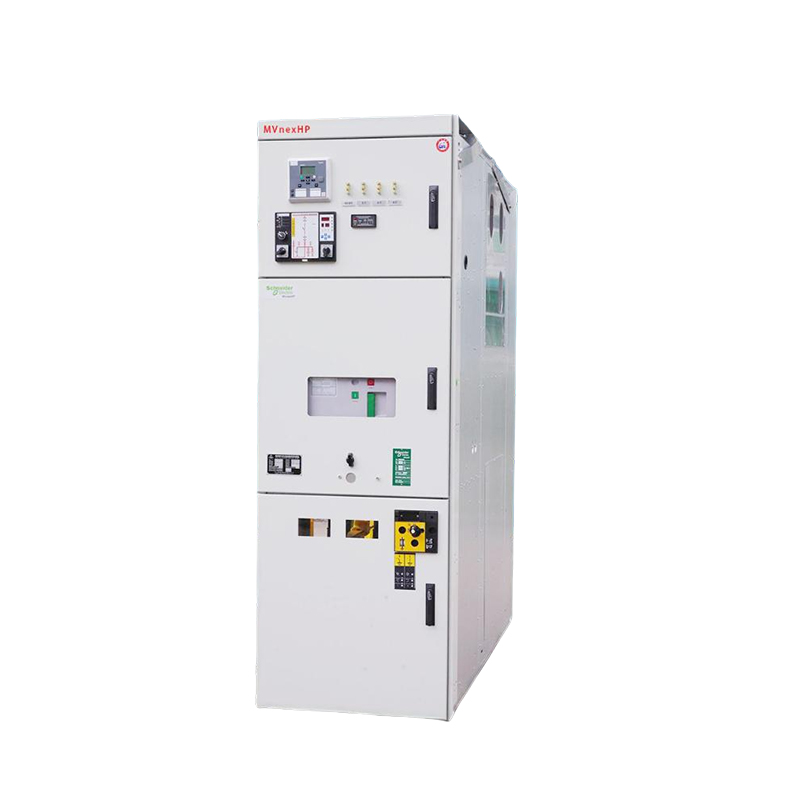
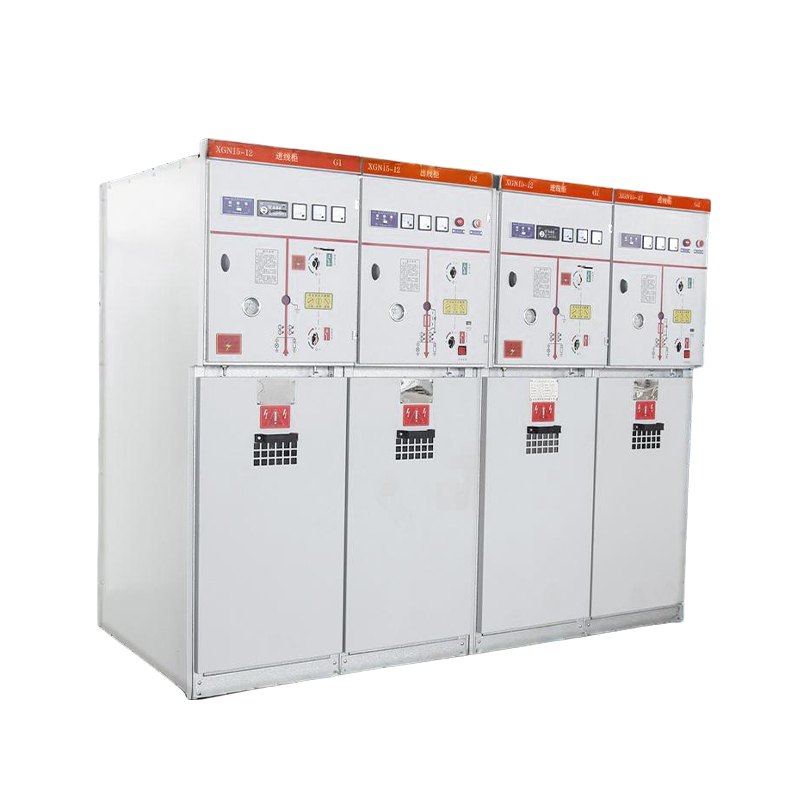
The core advantage of the photovoltaic box-type substation lies first in its revolutionary space utilization and highly integrated structural design. Traditional substations typically require separate high-voltage, transformer, and low-voltage rooms, resulting in a large footprint and lengthy civil construction periods. In contrast, the photovoltaic box-type substation employs an ingenious design that organically integrates high-voltage switchgear, the core transformer, and various low-voltage electrical components into a single, robust enclosure, creating a complete and independent substation system. This prefabricated, modular design drastically reduces the equipment's physical volume; it not only saves valuable land resources but also enables flexible deployment in complex, space-constrained environments—such as commercial and industrial rooftops, or "agrivoltaic" and "fishery-solar" hybrid projects. Furthermore, the factory-prefabricated production model significantly simplifies on-site installation and shortens the timeline for plant construction and grid connection, delivering substantial time and economic benefits to investors.
Regarding the assurance of long-term, stable operation and the maximization of power generation revenue, the photovoltaic box-type substation demonstrates exceptional electrical performance and protective capabilities. As the central hub of the 12kV grid-connection system, it performs the critical task of aggregating the low-voltage power output from photovoltaic inverters and stepping it up to the voltage level required for grid interconnection. The interior of the box-type substation features high-efficiency transformers and precision high- and low-voltage switchgear. This design not only effectively reduces internal energy conversion losses but also utilizes built-in intelligent protection modules to achieve millisecond-level responses to abnormal conditions such as overcurrent, short circuits, and islanding. This comprehensive electrical protection mechanism ensures the rapid isolation of hazards during grid fluctuations or equipment failures, thereby safeguarding both the power station equipment and the grid itself. Furthermore, to withstand complex and variable outdoor environments, the enclosure is constructed from high-strength, corrosion-resistant materials and features an optimized heat dissipation and ventilation design. This enables the unit to reliably endure harsh conditions—including high temperatures, high humidity, salt spray, and wind-blown sand—ensuring efficient and stable operation throughout its entire lifecycle.
In terms of intelligent operations and maintenance (O&M) and lifecycle management, the photovoltaic box-type substation also leads the industry. Modern photovoltaic box-type substations are no longer merely "dumb" hardware; they are deeply integrated with the Internet of Things (IoT) and digital technologies. By incorporating advanced sensors and intelligent monitoring and control devices, the substation can collect and transmit key operational parameters—such as voltage, current, temperature, and power—in real time. Operations personnel can gain a comprehensive overview of the power station's health via remote monitoring platforms without the need for frequent on-site inspections, receiving immediate alerts and fault location data the moment an anomaly occurs. This shift from "reactive repair" to "proactive, intelligent O&M" significantly lowers long-term labor costs and minimizes equipment-related downtime, ensuring the efficient transmission of every kilowatt-hour of clean electricity.
The widespread adoption of photovoltaic box-type substations represents the successful convergence of power equipment manufacturing and the new energy industry. Their compact, integrated structure overcomes spatial constraints; their superior electrical performance ensures safe grid integration; and their intelligent O&M capabilities boost the power station's long-term profitability. Whether deployed on vast rooftops or in expansive deserts, these substations leverage their comprehensive advantages to quietly underpin the large-scale application of clean energy, injecting powerful, sustained momentum into the global green energy transition.
The core advantage of the photovoltaic box-type substation lies first in its revolutionary space utilization and highly integrated structural design. Traditional substations typically require separate high-voltage, transformer, and low-voltage rooms, resulting in a large footprint and lengthy civil construction periods. In contrast, the photovoltaic box-type substation employs an ingenious design that organically integrates high-voltage switchgear, the core transformer, and various low-voltage electrical components into a single, robust enclosure, creating a complete and independent substation system. This prefabricated, modular design drastically reduces the equipment's physical volume; it not only saves valuable land resources but also enables flexible deployment in complex, space-constrained environments—such as commercial and industrial rooftops, or "agrivoltaic" and "fishery-solar" hybrid projects. Furthermore, the factory-prefabricated production model significantly simplifies on-site installation and shortens the timeline for plant construction and grid connection, delivering substantial time and economic benefits to investors.
Regarding the assurance of long-term, stable operation and the maximization of power generation revenue, the photovoltaic box-type substation demonstrates exceptional electrical performance and protective capabilities. As the central hub of the 12kV grid-connection system, it performs the critical task of aggregating the low-voltage power output from photovoltaic inverters and stepping it up to the voltage level required for grid interconnection. The interior of the box-type substation features high-efficiency transformers and precision high- and low-voltage switchgear. This design not only effectively reduces internal energy conversion losses but also utilizes built-in intelligent protection modules to achieve millisecond-level responses to abnormal conditions such as overcurrent, short circuits, and islanding. This comprehensive electrical protection mechanism ensures the rapid isolation of hazards during grid fluctuations or equipment failures, thereby safeguarding both the power station equipment and the grid itself. Furthermore, to withstand complex and variable outdoor environments, the enclosure is constructed from high-strength, corrosion-resistant materials and features an optimized heat dissipation and ventilation design. This enables the unit to reliably endure harsh conditions—including high temperatures, high humidity, salt spray, and wind-blown sand—ensuring efficient and stable operation throughout its entire lifecycle.
In terms of intelligent operations and maintenance (O&M) and lifecycle management, the photovoltaic box-type substation also leads the industry. Modern photovoltaic box-type substations are no longer merely "dumb" hardware; they are deeply integrated with the Internet of Things (IoT) and digital technologies. By incorporating advanced sensors and intelligent monitoring and control devices, the substation can collect and transmit key operational parameters—such as voltage, current, temperature, and power—in real time. Operations personnel can gain a comprehensive overview of the power station's health via remote monitoring platforms without the need for frequent on-site inspections, receiving immediate alerts and fault location data the moment an anomaly occurs. This shift from "reactive repair" to "proactive, intelligent O&M" significantly lowers long-term labor costs and minimizes equipment-related downtime, ensuring the efficient transmission of every kilowatt-hour of clean electricity.
The widespread adoption of photovoltaic box-type substations represents the successful convergence of power equipment manufacturing and the new energy industry. Their compact, integrated structure overcomes spatial constraints; their superior electrical performance ensures safe grid integration; and their intelligent O&M capabilities boost the power station's long-term profitability. Whether deployed on vast rooftops or in expansive deserts, these substations leverage their comprehensive advantages to quietly underpin the large-scale application of clean energy, injecting powerful, sustained momentum into the global green energy transition.