


How does a low-voltage switchgear cabinet reshape the reliability of power distribution systems through structural innovation and safety design?
Release Time : 2025-12-25
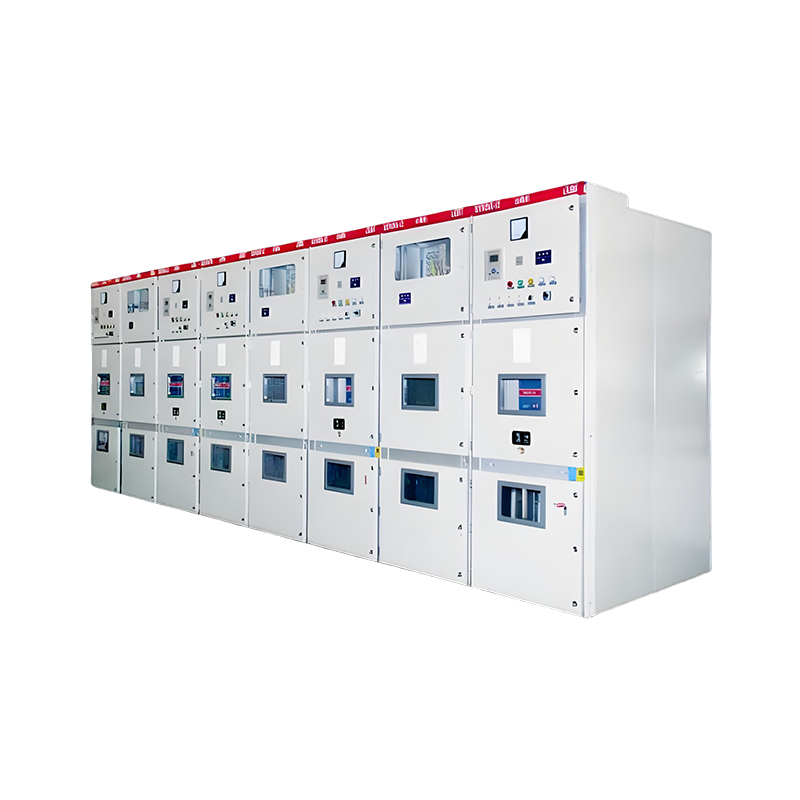
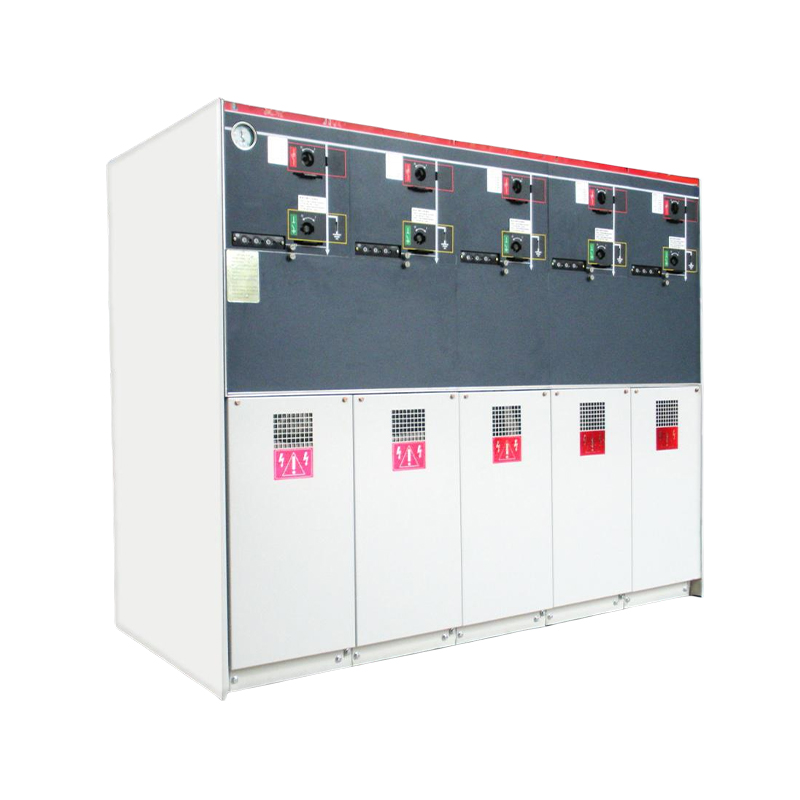
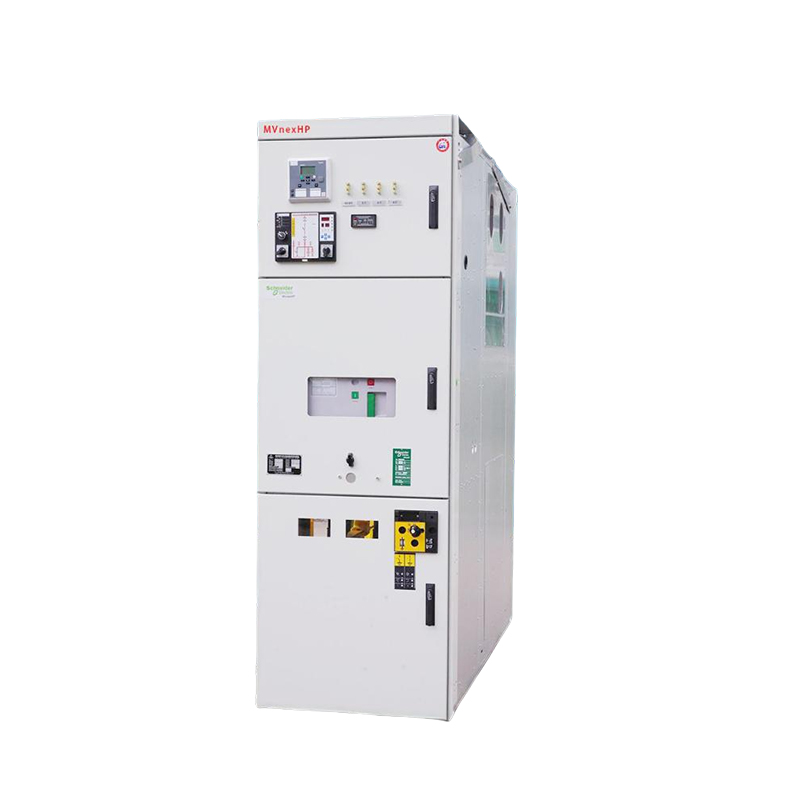
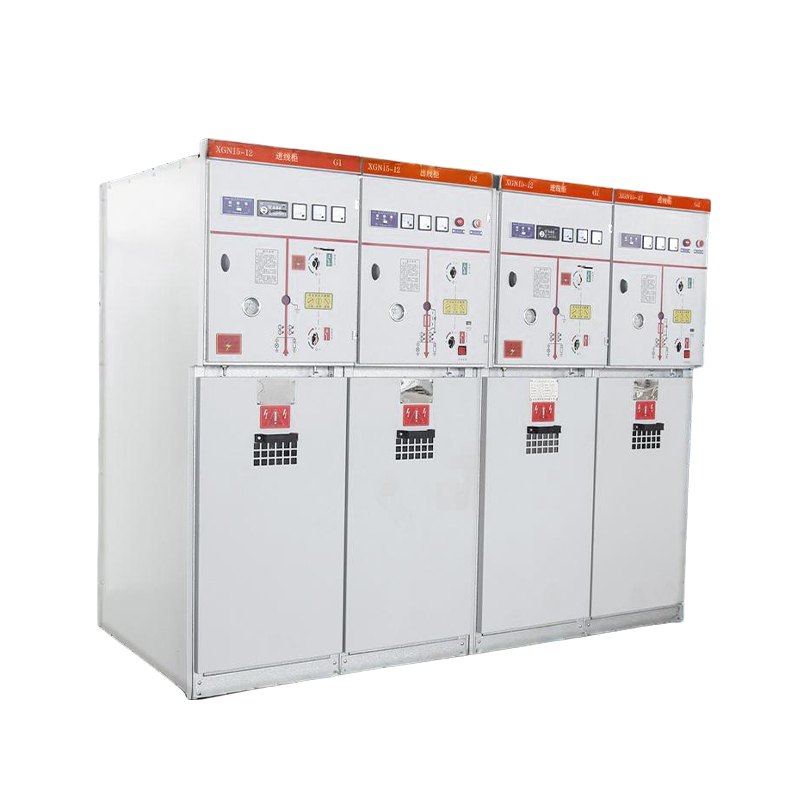
In industrial plants, commercial complexes, data centers, and infrastructure power distribution systems, the low-voltage switchgear cabinet is a key device for power distribution and protection. Its performance directly affects power supply continuity, maintenance efficiency, and personnel safety. Modern low-voltage switchgear cabinets are no longer simply combinations of metal casings and electrical components; they are integrated power hubs that incorporate precision structural engineering, safety logic, and human-machine collaboration concepts. Through innovative features such as T-frame systems, tee connector assembly, glass door designs, and plug-in/removable circuit breakers, the new generation of products has achieved a comprehensive leap in protection, precision, maintainability, and appearance.
The T-frame system of the switchgear cabinet is the structural foundation for its high reliability. This design uses standardized profiles and modular connections to construct a rigid, low-deformation overall frame. Compared to traditional welding or bolting methods, the T-frame not only improves overall mechanical stability but also significantly enhances the cabinet's sealing performance, effectively preventing dust, moisture, and foreign object intrusion, thereby improving the protection level. This structure maintains geometric consistency during transportation, installation, and long-term operation, providing a stable support environment for internal components.
To avoid potential electromagnetic interference affecting the system, the cabinet frame uses T-connectors for solderless assembly. This fully mechanical connection method completely eliminates the eddy current effect that may occur when metal circuits are closed, effectively reducing the risk of localized heating, especially under high current conditions, and improving energy efficiency and safety. Simultaneously, the T-connectors ensure precise alignment of all components, giving the entire cabinet extremely high symmetry accuracy and assembly repeatability, laying a solid foundation for subsequent component installation and drawer slide alignment.
In terms of operational safety and visual experience, the innovative design of the glass door is a major highlight. High-strength tempered glass is embedded in a metal frame, retaining the protective capabilities of traditional metal doors while enabling visual management of the internal status. Maintenance personnel can observe indicator lights, meter readings, or circuit breaker positions without opening the door, reducing unnecessary contact and improving inspection efficiency. The transparent material also gives the switch cabinet a modern industrial aesthetic, making it easier to integrate into offices, showrooms, and other places with high environmental requirements, breaking the stereotype of traditional power distribution equipment as "closed and rugged." For maintenance scenarios, the switchgear cabinet fully adopts plug-in or withdrawable circuit breaker structures. When a circuit needs maintenance or replacement, operators can smoothly pull out the functional unit without power interruption, achieving a fully energized operation process of "isolation-maintenance-reset." This design not only significantly reduces power outage time and ensures the continuous operation of other loads, but also fundamentally eliminates the risks of live work. During withdrawal, a mechanical interlocking device automatically cuts off the main circuit power supply, ensuring absolute operational safety. All primary and secondary connectors are designed to prevent mis-insertion and arcing, ensuring connection reliability.
Furthermore, the cabinet layout follows modular and standardized principles, supporting flexible configuration of different functional units to adapt to diverse power distribution needs. Cable entry points, heat dissipation channels, and cable tray routing have all been optimized for easy on-site wiring and future expansion. The surface treatment uses a corrosion-resistant powder coating, adapting to various industrial environments.
As current flows orderly within the sealed cabinet, the low-voltage switchgear cabinet silently safeguards the stability of the entire system. It is unassuming, yet embodies industrial craftsmanship with millimeter-level assembly precision; it is silent, yet conveys respect for life through its pull-out design. Because in the underlying logic of modern power distribution systems, true reliability lies not only in power supply, but also in safety during power outages—and this is precisely the core value upheld by the new generation of low-voltage switchgear cabinets.
The T-frame system of the switchgear cabinet is the structural foundation for its high reliability. This design uses standardized profiles and modular connections to construct a rigid, low-deformation overall frame. Compared to traditional welding or bolting methods, the T-frame not only improves overall mechanical stability but also significantly enhances the cabinet's sealing performance, effectively preventing dust, moisture, and foreign object intrusion, thereby improving the protection level. This structure maintains geometric consistency during transportation, installation, and long-term operation, providing a stable support environment for internal components.
To avoid potential electromagnetic interference affecting the system, the cabinet frame uses T-connectors for solderless assembly. This fully mechanical connection method completely eliminates the eddy current effect that may occur when metal circuits are closed, effectively reducing the risk of localized heating, especially under high current conditions, and improving energy efficiency and safety. Simultaneously, the T-connectors ensure precise alignment of all components, giving the entire cabinet extremely high symmetry accuracy and assembly repeatability, laying a solid foundation for subsequent component installation and drawer slide alignment.
In terms of operational safety and visual experience, the innovative design of the glass door is a major highlight. High-strength tempered glass is embedded in a metal frame, retaining the protective capabilities of traditional metal doors while enabling visual management of the internal status. Maintenance personnel can observe indicator lights, meter readings, or circuit breaker positions without opening the door, reducing unnecessary contact and improving inspection efficiency. The transparent material also gives the switch cabinet a modern industrial aesthetic, making it easier to integrate into offices, showrooms, and other places with high environmental requirements, breaking the stereotype of traditional power distribution equipment as "closed and rugged." For maintenance scenarios, the switchgear cabinet fully adopts plug-in or withdrawable circuit breaker structures. When a circuit needs maintenance or replacement, operators can smoothly pull out the functional unit without power interruption, achieving a fully energized operation process of "isolation-maintenance-reset." This design not only significantly reduces power outage time and ensures the continuous operation of other loads, but also fundamentally eliminates the risks of live work. During withdrawal, a mechanical interlocking device automatically cuts off the main circuit power supply, ensuring absolute operational safety. All primary and secondary connectors are designed to prevent mis-insertion and arcing, ensuring connection reliability.
Furthermore, the cabinet layout follows modular and standardized principles, supporting flexible configuration of different functional units to adapt to diverse power distribution needs. Cable entry points, heat dissipation channels, and cable tray routing have all been optimized for easy on-site wiring and future expansion. The surface treatment uses a corrosion-resistant powder coating, adapting to various industrial environments.
As current flows orderly within the sealed cabinet, the low-voltage switchgear cabinet silently safeguards the stability of the entire system. It is unassuming, yet embodies industrial craftsmanship with millimeter-level assembly precision; it is silent, yet conveys respect for life through its pull-out design. Because in the underlying logic of modern power distribution systems, true reliability lies not only in power supply, but also in safety during power outages—and this is precisely the core value upheld by the new generation of low-voltage switchgear cabinets.