


How does a photovoltaic box-type substation ensure the stable operation of transformers and electrical components?
Release Time : 2025-12-11
In photovoltaic power generation systems, box-type substations, as key hubs connecting photovoltaic arrays and the power grid, are constantly exposed to harsh outdoor environments—especially in deserts, plateaus, or tropical regions, where high temperatures and intense solar radiation are the norm. Continuous heat loads not only accelerate the aging of electrical components but can also lead to decreased insulation performance, increased contact resistance, and even equipment overheating and shutdown. Therefore, ensuring the stable, reliable, and efficient operation of a photovoltaic box-type substation under these extreme conditions is a core challenge in its design and manufacturing. Modern high-quality photovoltaic box-type substations construct a robust "thermal protection barrier" through multiple thermal management strategies and environmentally adaptable design.
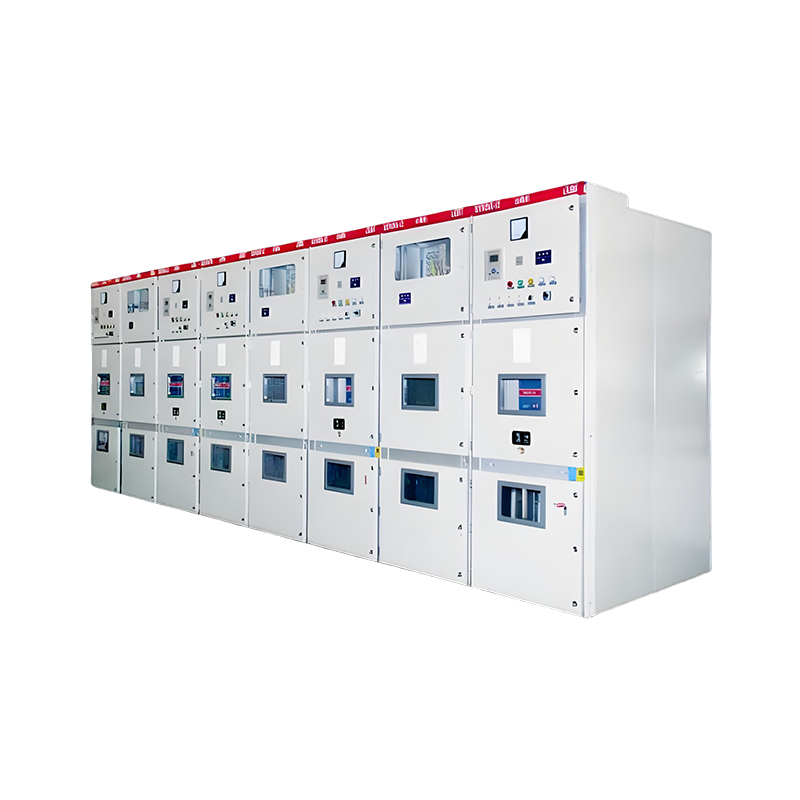
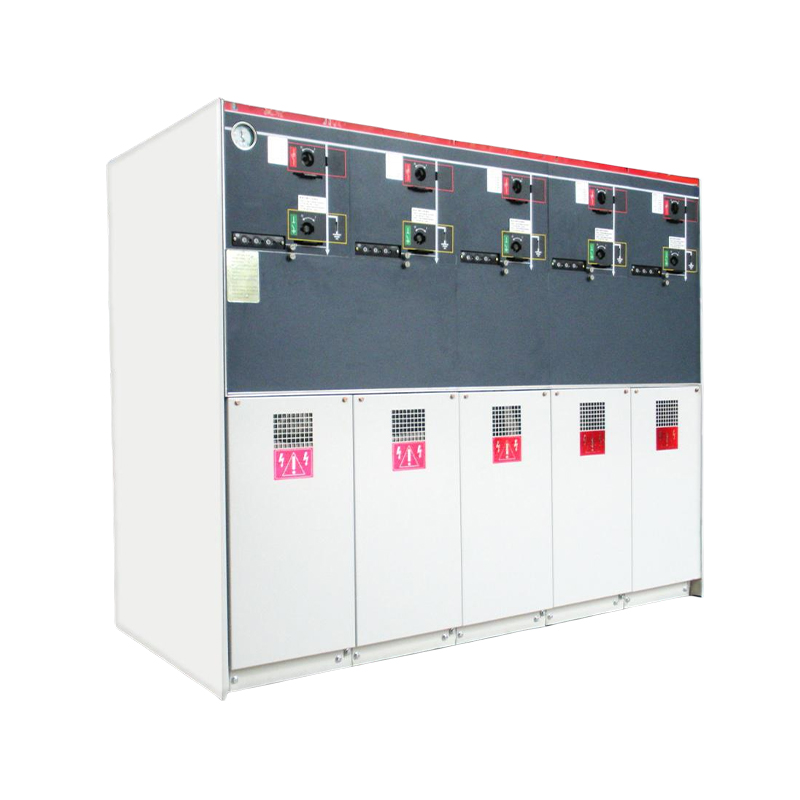
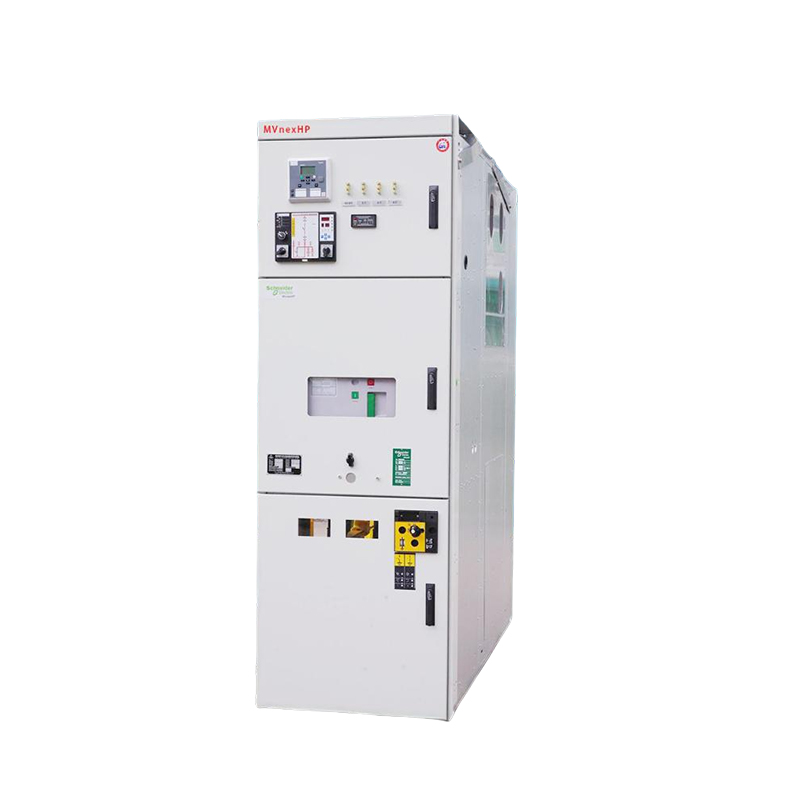
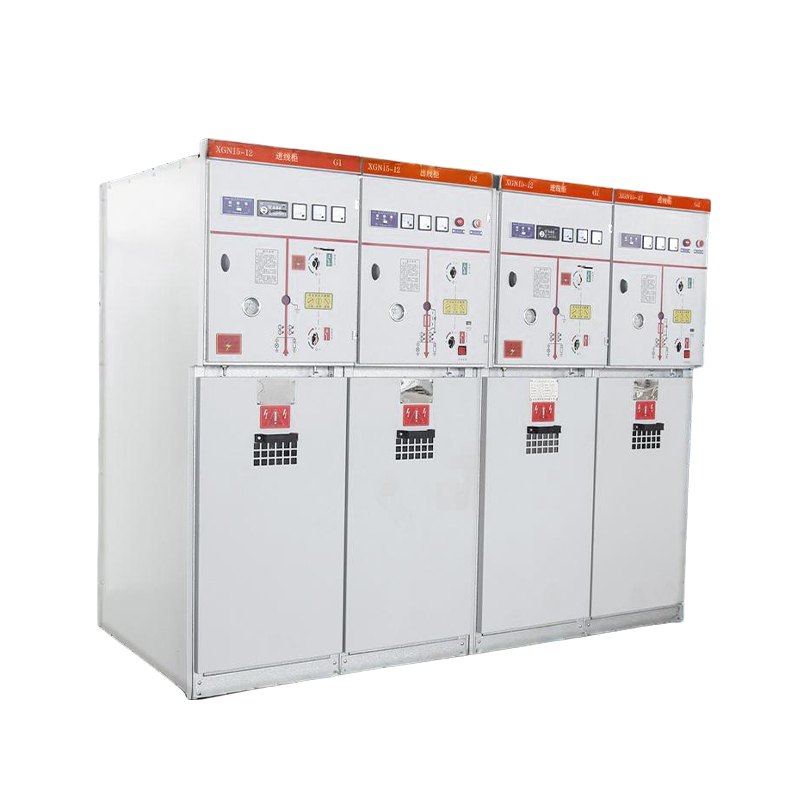
First, a scientific enclosure structure layout is fundamental to heat dissipation. The internal structure is not simply a collection of high-voltage switchgear, transformers, and low-voltage distribution units; instead, it is partitioned and isolated according to heat generation characteristics. High heat sources, such as transformers, are placed in optimally ventilated locations with ample surrounding heat dissipation channels; control and protection components with lower heat generation are placed in relatively low-temperature areas to avoid heat accumulation effects. Meanwhile, thermally insulated partitions are used between the high and low pressure chambers to prevent lateral heat conduction, ensuring that each functional module operates independently within its suitable temperature range.
Secondly, a combined active and passive cooling system plays a crucial role. For passive cooling, the top of the enclosure is often designed with natural ventilation louvers or chimney-effect exhaust vents, utilizing the principle of rising hot air to create convection and continuously expel internal hot air; side wall air inlets introduce cooler external air, forming a through-flow airflow path. For higher heat load scenarios, some products also integrate intelligent temperature-controlled fans that automatically start and stop when the internal temperature exceeds a set threshold, ensuring cooling efficiency while avoiding unnecessary energy consumption. More advanced designs even employ heat-insulating coatings or reflective external surface treatments to effectively reduce enclosure temperature rise caused by direct sunlight, suppressing heat accumulation at the source.
Furthermore, the selection and heat resistance rating of core components directly determine the system's upper limit. Photovoltaic transformers typically use high-temperature resistant insulation materials, and the winding and core structure are optimized to reduce copper and iron losses, thereby reducing heat generation from within. Low-voltage circuit breakers, contactors, and other components are selected from industrial-grade or reinforced products to ensure continued operational accuracy and electrical lifespan under sustained high temperatures. All terminals and busbar connections are made of highly conductive, oxidation-resistant materials and are pre-tightened with appropriate force to prevent localized overheating caused by loosening of contacts and increased resistance due to thermal expansion and contraction.
Furthermore, a delicate balance is achieved between heat dissipation and protection through a sealed and dustproof design. While ventilation is necessary, the intrusion of sand, moisture, or salt spray can clog heat dissipation channels, corrode metal components, or reduce insulation performance. Therefore, air inlets and outlets are often equipped with dust filters or labyrinthine air ducts, allowing airflow while blocking particulate matter; highly elastic sealing strips are used at enclosure seams to ensure overall protection meets standards, achieving the ideal state of "breathable but dust-proof, heat dissipation but water-proof."
Finally, intelligent monitoring provides proactive assurance for thermal management. Some high-end photovoltaic box-type substations have built-in multi-point temperature sensors to monitor the temperature rise of key components in real time and upload the data to the maintenance platform via a communication interface. The system can issue early warnings upon detecting abnormal temperature rises, allowing maintenance personnel to intervene promptly and prevent malfunctions.
In summary, the stable operation of the photovoltaic box-type substation in high-temperature and high-irradiance environments is not dependent on a single technology, but rather on a systematic achievement encompassing structural design, material selection, thermal control strategies, and intelligent monitoring. Like a miniature "climate-adaptive power station," it operates calmly under the scorching sun, silently safeguarding the safe grid connection of every unit of green electricity. It is this stable and reliable thermal management capability that allows photovoltaic energy to continuously illuminate the hope for a clean future even on the hottest lands.
First, a scientific enclosure structure layout is fundamental to heat dissipation. The internal structure is not simply a collection of high-voltage switchgear, transformers, and low-voltage distribution units; instead, it is partitioned and isolated according to heat generation characteristics. High heat sources, such as transformers, are placed in optimally ventilated locations with ample surrounding heat dissipation channels; control and protection components with lower heat generation are placed in relatively low-temperature areas to avoid heat accumulation effects. Meanwhile, thermally insulated partitions are used between the high and low pressure chambers to prevent lateral heat conduction, ensuring that each functional module operates independently within its suitable temperature range.
Secondly, a combined active and passive cooling system plays a crucial role. For passive cooling, the top of the enclosure is often designed with natural ventilation louvers or chimney-effect exhaust vents, utilizing the principle of rising hot air to create convection and continuously expel internal hot air; side wall air inlets introduce cooler external air, forming a through-flow airflow path. For higher heat load scenarios, some products also integrate intelligent temperature-controlled fans that automatically start and stop when the internal temperature exceeds a set threshold, ensuring cooling efficiency while avoiding unnecessary energy consumption. More advanced designs even employ heat-insulating coatings or reflective external surface treatments to effectively reduce enclosure temperature rise caused by direct sunlight, suppressing heat accumulation at the source.
Furthermore, the selection and heat resistance rating of core components directly determine the system's upper limit. Photovoltaic transformers typically use high-temperature resistant insulation materials, and the winding and core structure are optimized to reduce copper and iron losses, thereby reducing heat generation from within. Low-voltage circuit breakers, contactors, and other components are selected from industrial-grade or reinforced products to ensure continued operational accuracy and electrical lifespan under sustained high temperatures. All terminals and busbar connections are made of highly conductive, oxidation-resistant materials and are pre-tightened with appropriate force to prevent localized overheating caused by loosening of contacts and increased resistance due to thermal expansion and contraction.
Furthermore, a delicate balance is achieved between heat dissipation and protection through a sealed and dustproof design. While ventilation is necessary, the intrusion of sand, moisture, or salt spray can clog heat dissipation channels, corrode metal components, or reduce insulation performance. Therefore, air inlets and outlets are often equipped with dust filters or labyrinthine air ducts, allowing airflow while blocking particulate matter; highly elastic sealing strips are used at enclosure seams to ensure overall protection meets standards, achieving the ideal state of "breathable but dust-proof, heat dissipation but water-proof."
Finally, intelligent monitoring provides proactive assurance for thermal management. Some high-end photovoltaic box-type substations have built-in multi-point temperature sensors to monitor the temperature rise of key components in real time and upload the data to the maintenance platform via a communication interface. The system can issue early warnings upon detecting abnormal temperature rises, allowing maintenance personnel to intervene promptly and prevent malfunctions.
In summary, the stable operation of the photovoltaic box-type substation in high-temperature and high-irradiance environments is not dependent on a single technology, but rather on a systematic achievement encompassing structural design, material selection, thermal control strategies, and intelligent monitoring. Like a miniature "climate-adaptive power station," it operates calmly under the scorching sun, silently safeguarding the safe grid connection of every unit of green electricity. It is this stable and reliable thermal management capability that allows photovoltaic energy to continuously illuminate the hope for a clean future even on the hottest lands.