


How the AC Low-Voltage Cabinet Ensures Safe and Reliable Operation of Power Distribution Systems
Release Time : 2026-02-04
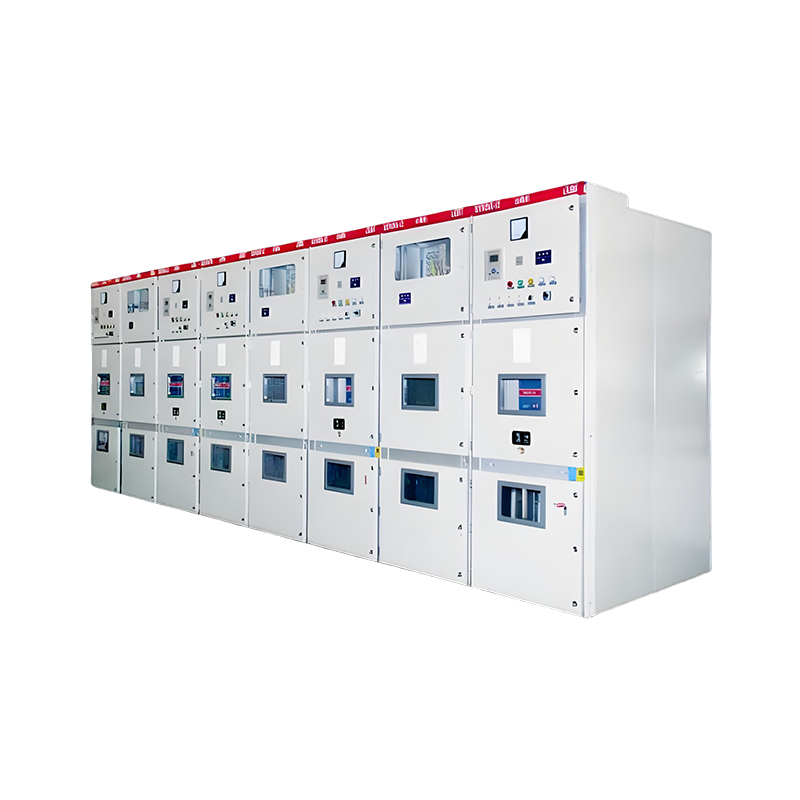
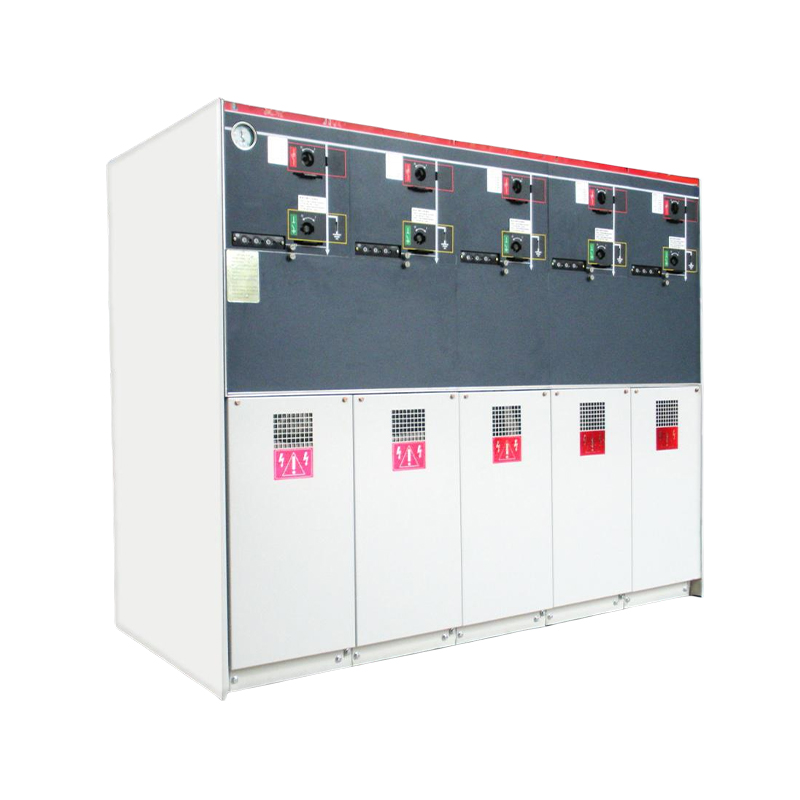
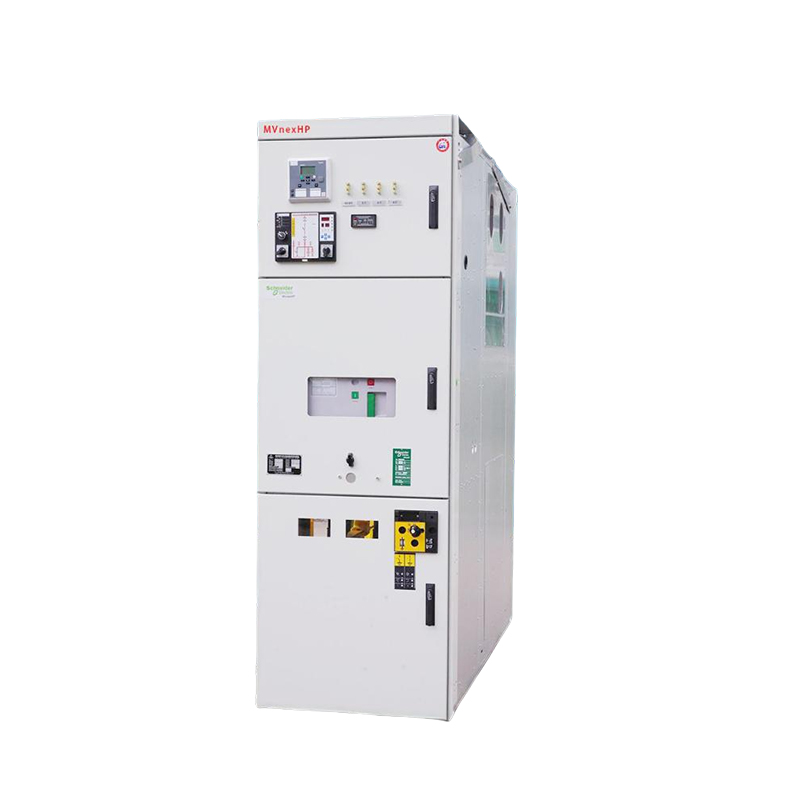
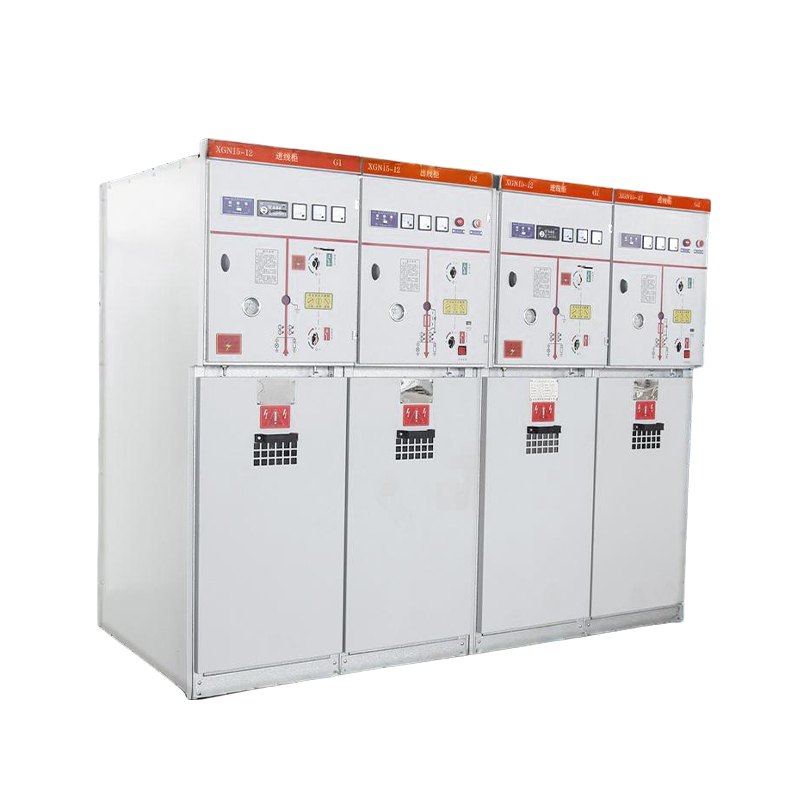
The AC low-voltage cabinet—particularly the widely used GGD type—serves as a critical node in industrial and commercial power distribution networks. Designed for 50Hz AC systems with a rated voltage of 380V and currents up to 3150A, it functions as the central hub for power conversion, distribution, and control in power plants, substations, factories, mines, and enterprises. Beyond mere enclosure, the GGD-type cabinet integrates mechanical, electrical, and thermal engineering principles to cohesively ensure system safety and operational reliability. This article explores how its key features—high breaking capacity, dynamic and thermal stability, high protection level, and robust structural design—work in synergy to safeguard personnel, equipment, and continuity of power supply.
1. High Breaking Capacity: The First Line of Electrical Safety
One of the most vital safety attributes of the AC low-voltage cabinet is its high short-circuit breaking capacity. In the event of a fault—such as a phase-to-phase short or ground fault—massive current surges can occur within milliseconds. The GGD cabinet is engineered to house circuit breakers and switchgear capable of interrupting these extreme currents safely without catastrophic failure. This prevents arc flash incidents, equipment destruction, and fire hazards. By rapidly isolating faulty sections, the system limits damage propagation and maintains power integrity in unaffected circuits, ensuring both personnel safety and minimal downtime.
2. Dynamic and Thermal Stability Under Extreme Conditions
During short-circuit events, conductors and busbars inside the cabinet experience immense electromagnetic forces (dynamic stress) and rapid temperature rise (thermal stress). The GGD cabinet’s internal structure—featuring reinforced busbar supports, rigid mounting frames, and high-conductivity copper or aluminum alloys—is specifically designed to withstand these stresses without deformation or melting. This dynamic and thermal stability ensures that even under worst-case fault scenarios, the cabinet maintains its mechanical integrity and continues to contain hazardous energy, preventing secondary failures or exposure of live parts.
3. High Protection Level for Harsh Environments
Industrial settings such as mines, steel mills, or chemical plants expose electrical equipment to dust, moisture, oil mist, and physical impact. The GGD cabinet typically achieves a high ingress protection rating—often IP40 or higher when doors are closed—through sealed seams, gasketed access panels, and strategically shielded ventilation. This prevents foreign particles and liquids from compromising insulation or causing short circuits. Additionally, the cabinet’s robust steel enclosure provides mechanical protection against accidental contact or impact, further enhancing operational safety in demanding environments.
4. Structured Layout and Arc Containment Design
Safety is also embedded in the cabinet’s internal compartmentalization. Functional units—such as incoming feeders, outgoing circuits, metering sections, and control modules—are physically or thermally separated to limit fault spread. Some advanced GGD variants incorporate arc-resistant designs that channel explosive arc gases through dedicated vents away from operators. Combined with interlocked doors and safety grounding systems, this layout minimizes risks during maintenance or unexpected faults, aligning with international standards like IEC 61439.
5. System Integration and Operational Reliability
Beyond passive safety, the GGD cabinet enhances long-term reliability through flexible electrical schemes and standardized interfaces. Its modular architecture allows seamless integration of protective relays, surge suppressors, and monitoring devices, enabling real-time diagnostics and predictive maintenance. The novel yet practical structure—featuring front-accessible components and clear labeling—reduces human error during operation or servicing. Furthermore, the strong product series consistency ensures compatibility across installations, simplifying spare parts management and technician training.
The AC low-voltage cabinet, exemplified by the GGD type, is far more than a metal enclosure—it is a coordinated safety ecosystem. By harmonizing high breaking capacity, structural resilience, environmental protection, and intelligent layout, it creates a reliable barrier between potentially hazardous electrical energy and end users. In an era where power continuity and workplace safety are non-negotiable, the GGD cabinet’s integrated design philosophy ensures that distribution systems remain not only functional but fundamentally secure.
1. High Breaking Capacity: The First Line of Electrical Safety
One of the most vital safety attributes of the AC low-voltage cabinet is its high short-circuit breaking capacity. In the event of a fault—such as a phase-to-phase short or ground fault—massive current surges can occur within milliseconds. The GGD cabinet is engineered to house circuit breakers and switchgear capable of interrupting these extreme currents safely without catastrophic failure. This prevents arc flash incidents, equipment destruction, and fire hazards. By rapidly isolating faulty sections, the system limits damage propagation and maintains power integrity in unaffected circuits, ensuring both personnel safety and minimal downtime.
2. Dynamic and Thermal Stability Under Extreme Conditions
During short-circuit events, conductors and busbars inside the cabinet experience immense electromagnetic forces (dynamic stress) and rapid temperature rise (thermal stress). The GGD cabinet’s internal structure—featuring reinforced busbar supports, rigid mounting frames, and high-conductivity copper or aluminum alloys—is specifically designed to withstand these stresses without deformation or melting. This dynamic and thermal stability ensures that even under worst-case fault scenarios, the cabinet maintains its mechanical integrity and continues to contain hazardous energy, preventing secondary failures or exposure of live parts.
3. High Protection Level for Harsh Environments
Industrial settings such as mines, steel mills, or chemical plants expose electrical equipment to dust, moisture, oil mist, and physical impact. The GGD cabinet typically achieves a high ingress protection rating—often IP40 or higher when doors are closed—through sealed seams, gasketed access panels, and strategically shielded ventilation. This prevents foreign particles and liquids from compromising insulation or causing short circuits. Additionally, the cabinet’s robust steel enclosure provides mechanical protection against accidental contact or impact, further enhancing operational safety in demanding environments.
4. Structured Layout and Arc Containment Design
Safety is also embedded in the cabinet’s internal compartmentalization. Functional units—such as incoming feeders, outgoing circuits, metering sections, and control modules—are physically or thermally separated to limit fault spread. Some advanced GGD variants incorporate arc-resistant designs that channel explosive arc gases through dedicated vents away from operators. Combined with interlocked doors and safety grounding systems, this layout minimizes risks during maintenance or unexpected faults, aligning with international standards like IEC 61439.
5. System Integration and Operational Reliability
Beyond passive safety, the GGD cabinet enhances long-term reliability through flexible electrical schemes and standardized interfaces. Its modular architecture allows seamless integration of protective relays, surge suppressors, and monitoring devices, enabling real-time diagnostics and predictive maintenance. The novel yet practical structure—featuring front-accessible components and clear labeling—reduces human error during operation or servicing. Furthermore, the strong product series consistency ensures compatibility across installations, simplifying spare parts management and technician training.
The AC low-voltage cabinet, exemplified by the GGD type, is far more than a metal enclosure—it is a coordinated safety ecosystem. By harmonizing high breaking capacity, structural resilience, environmental protection, and intelligent layout, it creates a reliable barrier between potentially hazardous electrical energy and end users. In an era where power continuity and workplace safety are non-negotiable, the GGD cabinet’s integrated design philosophy ensures that distribution systems remain not only functional but fundamentally secure.