


Faced with increasingly severe harmonic interference in industrial power grids, how can AC low-voltage cabinets integrate power quality management functions?
Release Time : 2026-02-18
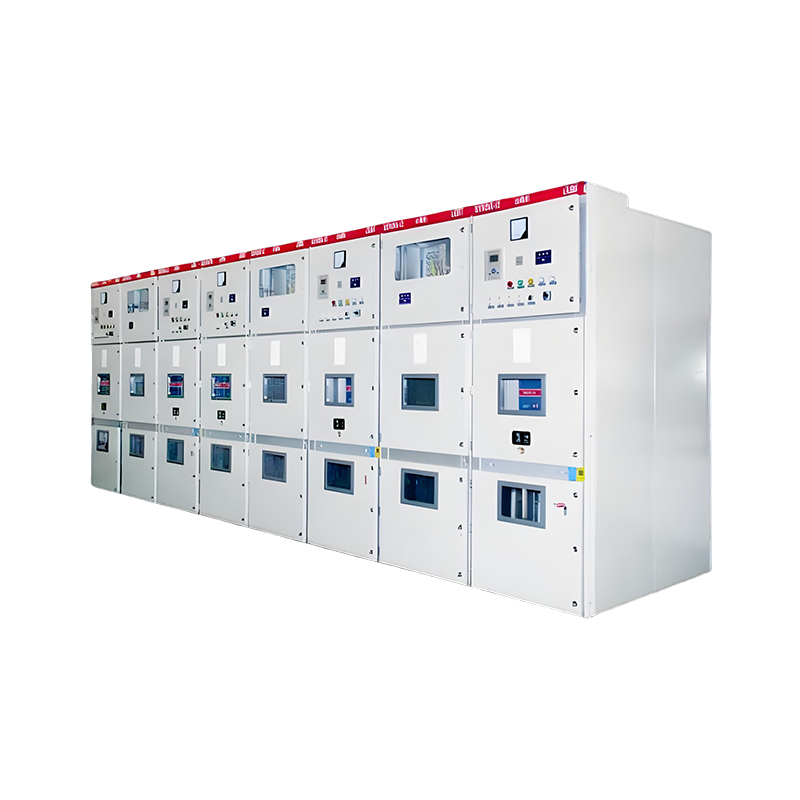
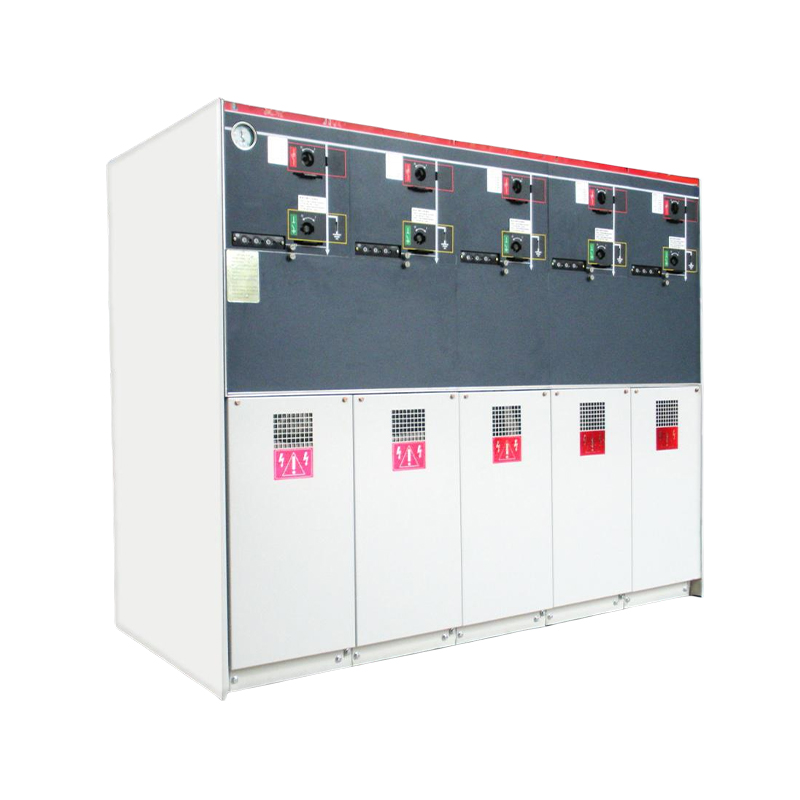
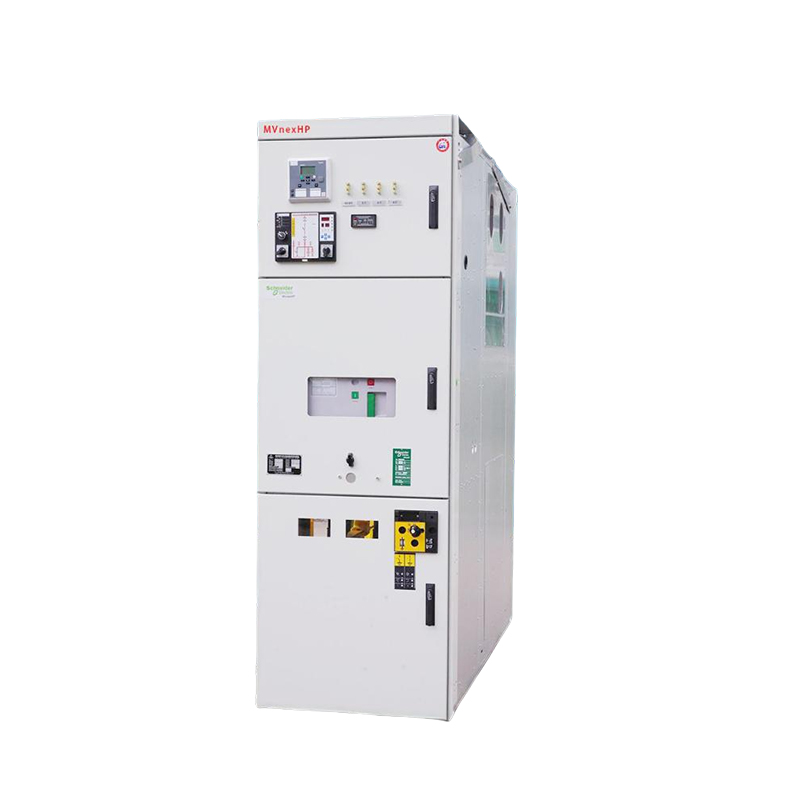
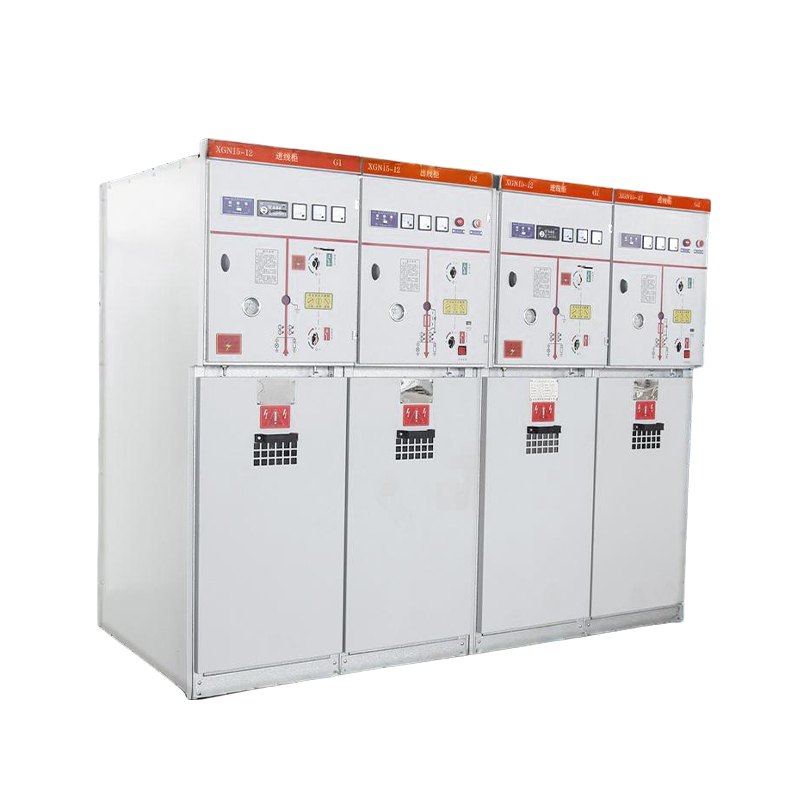
In modern industrial environments, the widespread use of frequency converters, rectifiers, LED lighting, and various nonlinear loads has made harmonic pollution of the power grid increasingly prominent. Harmonics not only lead to decreased efficiency in power distribution systems, cable overheating, and malfunctions of protection devices, but can also damage precision equipment and threaten production safety. As the core hub for power distribution and control, the GGD-type AC low-voltage cabinet is evolving from a traditional "power channel" to an "intelligent power management platform." By deeply integrating power quality management functions, it suppresses harmonics at the source, improves system reliability, and becomes a key carrier for building a green, efficient, and stable industrial power supply and distribution system.
1. Harmonic Monitoring: Precisely Sensing the Health Status of the Power Grid
The prerequisite for management is perception. The new GGD distribution cabinet integrates high-precision power quality analysis modules in the main incoming line and key outgoing circuits, which can monitor parameters such as total harmonic distortion rate of voltage/current, content of each harmonic, power factor, and three-phase imbalance in real time. Data is uploaded to a local HMI or cloud platform via RS485 or Ethernet, enabling harmonic trend early warning and fault tracing. This "proactive sensing" capability allows maintenance personnel to proactively intervene before harmonic levels exceed limits, preventing equipment from operating in a sub-optimal state for extended periods.
2. Active Power Filter Integration: Dynamic and Precise Harmonic Elimination
For operating conditions with high and frequent harmonic content fluctuations, the GGD cabinet can reserve a dedicated compartment to embed a modular active power filter (APF). The APF collects load harmonic currents in real time via current transformers, and after high-speed DSP calculations, generates a reverse compensation current injection system, achieving dynamic and selective elimination of harmonics from the 2nd to the 50th order, with a compensation response time of less than 10ms. Its advantages include no resonance risk, simultaneous harmonic and reactive power mitigation, small footprint, and perfect fit with the standardized structure of the GGD cabinet. In typical scenarios such as mine hoists and steel rolling production lines, APF integration can reduce THDi from over 30% to below 5%, significantly improving power quality.
3. Synergistic Use of Passive Filtering and Intelligent Capacitor Compensation: Economical and Efficient Integrated Management
For applications with relatively fixed harmonic spectra, the GGD cabinet can also be configured with a tuned passive filter branch to work in conjunction with intelligent capacitor banks. The intelligent capacitor controller automatically switches the filter branch based on real-time reactive power demand and harmonic levels, providing reactive power compensation while avoiding parallel resonance between traditional capacitors and system inductors. This hybrid management strategy, prioritizing passive filtering and supplementing with active filtering, balances cost-effectiveness and management performance, making it particularly suitable for upgrading and retrofitting power distribution systems in small and medium-sized factories.
4. Structural and Heat Dissipation Adaptation: Ensuring Long-Term Reliable Operation of Management Equipment
Power quality management modules generate significant heat, placing higher demands on temperature rise control within the cabinet. The GGD cabinet optimizes its airflow design—such as adding a forced exhaust fan at the top, providing independent cooling channels for the management units, and physically isolating the busbars from heat-generating components—to ensure uniform internal temperature distribution. Simultaneously, the cabinet employs a high-protection-level enclosed structure to prevent dust intrusion that could affect the lifespan of electronic components. All power quality management modules are installed using standard DIN rails or quick-connect interfaces, facilitating future maintenance and expansion, truly achieving "plug and play, intelligent collaboration."
5. System-level Linkage: From Passive Protection to Active Optimization
Furthermore, the GGD distribution cabinet, integrating power quality management functions, can link with the upper-level energy management system. When a harmonic surge is detected, the system can automatically adjust the operating time of non-critical loads or activate backup filtering channels; long-term data accumulation can also be used to optimize equipment selection and process layout, reducing harmonic generation at its source. This upgrade from "single-point management" to "system optimization" signifies that low-voltage distribution cabinets are becoming important nodes in the intelligentization of industrial microgrids.
In summary, facing the increasingly severe harmonic challenges, the GGD AC low-voltage cabinet, through multi-dimensional integration of monitoring, filtering, compensation, and intelligent control, has transcended the traditional power distribution role, transforming into a power quality guardian integrating safety, efficiency, and intelligence. It not only ensures the stable operation of equipment, but also helps enterprises achieve the dual goals of energy conservation, emission reduction and green manufacturing—silently building a solid defense line for high-quality power supply in every ampere of current flow.
1. Harmonic Monitoring: Precisely Sensing the Health Status of the Power Grid
The prerequisite for management is perception. The new GGD distribution cabinet integrates high-precision power quality analysis modules in the main incoming line and key outgoing circuits, which can monitor parameters such as total harmonic distortion rate of voltage/current, content of each harmonic, power factor, and three-phase imbalance in real time. Data is uploaded to a local HMI or cloud platform via RS485 or Ethernet, enabling harmonic trend early warning and fault tracing. This "proactive sensing" capability allows maintenance personnel to proactively intervene before harmonic levels exceed limits, preventing equipment from operating in a sub-optimal state for extended periods.
2. Active Power Filter Integration: Dynamic and Precise Harmonic Elimination
For operating conditions with high and frequent harmonic content fluctuations, the GGD cabinet can reserve a dedicated compartment to embed a modular active power filter (APF). The APF collects load harmonic currents in real time via current transformers, and after high-speed DSP calculations, generates a reverse compensation current injection system, achieving dynamic and selective elimination of harmonics from the 2nd to the 50th order, with a compensation response time of less than 10ms. Its advantages include no resonance risk, simultaneous harmonic and reactive power mitigation, small footprint, and perfect fit with the standardized structure of the GGD cabinet. In typical scenarios such as mine hoists and steel rolling production lines, APF integration can reduce THDi from over 30% to below 5%, significantly improving power quality.
3. Synergistic Use of Passive Filtering and Intelligent Capacitor Compensation: Economical and Efficient Integrated Management
For applications with relatively fixed harmonic spectra, the GGD cabinet can also be configured with a tuned passive filter branch to work in conjunction with intelligent capacitor banks. The intelligent capacitor controller automatically switches the filter branch based on real-time reactive power demand and harmonic levels, providing reactive power compensation while avoiding parallel resonance between traditional capacitors and system inductors. This hybrid management strategy, prioritizing passive filtering and supplementing with active filtering, balances cost-effectiveness and management performance, making it particularly suitable for upgrading and retrofitting power distribution systems in small and medium-sized factories.
4. Structural and Heat Dissipation Adaptation: Ensuring Long-Term Reliable Operation of Management Equipment
Power quality management modules generate significant heat, placing higher demands on temperature rise control within the cabinet. The GGD cabinet optimizes its airflow design—such as adding a forced exhaust fan at the top, providing independent cooling channels for the management units, and physically isolating the busbars from heat-generating components—to ensure uniform internal temperature distribution. Simultaneously, the cabinet employs a high-protection-level enclosed structure to prevent dust intrusion that could affect the lifespan of electronic components. All power quality management modules are installed using standard DIN rails or quick-connect interfaces, facilitating future maintenance and expansion, truly achieving "plug and play, intelligent collaboration."
5. System-level Linkage: From Passive Protection to Active Optimization
Furthermore, the GGD distribution cabinet, integrating power quality management functions, can link with the upper-level energy management system. When a harmonic surge is detected, the system can automatically adjust the operating time of non-critical loads or activate backup filtering channels; long-term data accumulation can also be used to optimize equipment selection and process layout, reducing harmonic generation at its source. This upgrade from "single-point management" to "system optimization" signifies that low-voltage distribution cabinets are becoming important nodes in the intelligentization of industrial microgrids.
In summary, facing the increasingly severe harmonic challenges, the GGD AC low-voltage cabinet, through multi-dimensional integration of monitoring, filtering, compensation, and intelligent control, has transcended the traditional power distribution role, transforming into a power quality guardian integrating safety, efficiency, and intelligence. It not only ensures the stable operation of equipment, but also helps enterprises achieve the dual goals of energy conservation, emission reduction and green manufacturing—silently building a solid defense line for high-quality power supply in every ampere of current flow.